Businesses in Singapore simply can’t afford to ignore social media advertising in 2025. With social media ad spend growing 15.9 percent to US$510 million in Singapore alone, the question isn’t whether to advertise on social platforms, it’s which platforms will deliver the best results for your specific business goals.
Not all platforms are created equal. Success depends on your target audience, budget, and the type of content your brand can consistently create. This comprehensive guide breaks down the top social media platforms with real pros, cons, and actionable insights to help you choose the best social media platform for advertising your business in Singapore.
Table of Contents
Why Social Media Is Still a Top Channel for Advertising in 2025

Social media advertising continues to dominate the digital marketing landscape, with social media forecast to total $247.3bn globally in 2024, up 14.3% year-on-year. Social media now represents 33% of all digital ad spending worldwide, making it the largest media channel by advertising investment.
In Singapore, these trends are particularly pronounced. Digital advertisements now make up 59.7% of Singapore’s overall ad spending, with social media ad spend growing by 15.9% to US$510 million in 2024 alone. With 5.16 million YouTube users and 3.15 million Instagram users in a country of 5.9 million people, social media has become integral to how Singaporeans discover and interact with brands.
Several key factors drive this continued growth:
- Advanced Targeting Capabilities: Social platforms offer unprecedented precision in audience targeting, allowing businesses to reach specific demographics, interests, and behaviors with remarkable accuracy.
- Mobile-First Consumption: Mobile advertising accounted for 77% of all digital ad spend in 2024, perfectly aligned with how Singaporeans consume content. Users are accessing social media during commutes, lunch breaks, and throughout their daily routines.
- Multi-Platform Engagement: Singaporeans use more than 7 social media platforms a month, spending over 2 hours daily engaging with content, which creates multiple touchpoints for brand engagement and conversion opportunities.
- High Engagement Rates: Social media platforms have successfully captured user attention, with the average person spending 141 minutes daily on social platforms globally. This sustained engagement provides valuable opportunities for businesses to connect with potential customers.
The data clearly shows that social media advertising has moved beyond experimental marketing to become essential infrastructure for business growth. Successful social media marketing strategy now requires understanding where your specific audience spends their time and how to effectively reach them on those platforms.
How to Choose the Best Platform for Your Business

Selecting the right social media advertising platform requires careful consideration of several key factors that will determine your campaign success and return on investment.
- Target Audience Demographics: Understanding your audience’s age, interests, and platform preferences is crucial. LinkedIn’s ads reached 95.8 percent of Singapore’s population aged 18 and above, making it ideal for B2B campaigns, while TikTok has a potential ad reach of 3.38 million in Singapore, perfect for younger demographics.
- Content Format Preferences: Different platforms excel with different content types. Visual brands thrive on Instagram, while professional services find success on LinkedIn. Consider what type of content your business can consistently produce video, images, or text-based posts.
- Organic Reach vs Paid Reach: Organic reach has declined across most platforms, making paid advertising essential for visibility. However, some platforms like TikTok still offer significant organic reach potential for engaging content.
- Ad Objectives and Goals: Define whether you’re focused on brand awareness, lead generation, or direct sales. Platforms like Facebook excel at conversion campaigns, while YouTube works well for awareness and consideration stages.
- Budget Flexibility and CPC Range: Different platforms have varying cost structures. The average cost per click across industries is $0.83 for Facebook and $1.92 for Instagram, while LinkedIn typically commands higher costs but delivers more qualified B2B leads.
For businesses needing guidance on platform selection and strategy development, partnering with experienced advertising agency in Singapore can help navigate these complex decisions and ensure optimal budget allocation across the right channels.
Also Read: How to Choose Digital Marketing Agency: Complete 2025 Guide
Best Social Media Platforms for Advertising (2025 Breakdown)
Understanding the strengths and limitations of each major social media platform is essential for making informed advertising decisions. Each platform serves different audiences, excels with specific content types, and offers unique advantages for businesses. This detailed breakdown examines the top social media platforms available to Singapore businesses, including their performance metrics, cost considerations, and ideal use cases.
The following analysis is based on current platform data, advertising performance statistics, and Singapore-specific user behavior patterns. We’ve evaluated each platform across key factors including audience reach, engagement rates, advertising costs, and effectiveness for different business types.
1. Facebook — The Established Platform with Proven ROI
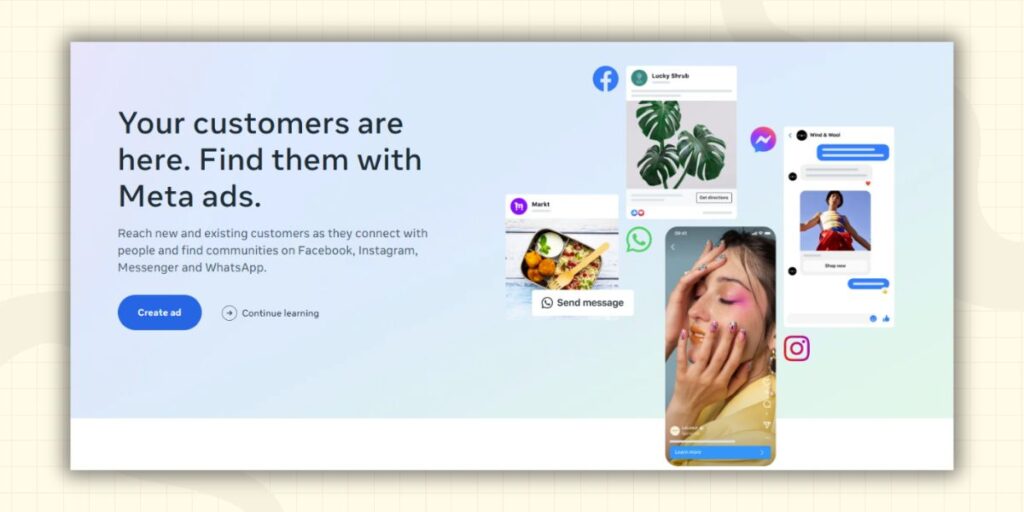
Facebook remains a cornerstone of social media advertising, offering sophisticated targeting options and reliable performance for businesses across various industries.
Platform Position in Singapore: While Facebook’s share of web traffic referrals dropped 30% year-on-year, it still remains the number one referral channel among social media platforms. The platform maintains strong advertising performance, particularly for local businesses and e-commerce operations.
Core Strengths:
- Advanced Targeting System: Facebook’s audience targeting capabilities remain among the most sophisticated in the industry, utilizing extensive user data to reach specific demographics, interests, and behaviors with precision.
- Mature Advertising Infrastructure: The platform offers comprehensive analytics, optimization tools, and campaign management features that help businesses refine their approach and improve performance over time.
- Cost-Effective Reach: Facebook typically offers competitive cost-per-click rates, with the average CPC across industries being $0.83 (WordStream), making it accessible for businesses with varying budget sizes.
- Cross-Platform Integration: Seamless integration with Instagram through Meta’s advertising platform allows businesses to manage campaigns across both platforms efficiently.
- Diverse Ad Formats: From carousel ads to video content, Facebook supports multiple creative formats that can accommodate different marketing objectives and content types.
Best Applications: Local service businesses, e-commerce stores with retargeting strategies, event promotion, lead generation campaigns, and businesses targeting demographics aged 25 and above.
Platform Considerations: Organic reach for business pages has significantly declined, making paid advertising essential for meaningful visibility. The platform works best as part of a broader digital strategy rather than as a standalone solution.
Optimization Recommendations:
- Implement Meta Pixel for effective retargeting campaigns
- Focus on video content, which typically generates higher engagement
- Use local targeting features for location-based businesses
- Regularly test different ad formats to identify top performers
Also Read: Want Conversions? Learn How to Follow Up with Facebook Leads!
2. Instagram — Visual, Trend-Driven, and Commerce-Ready
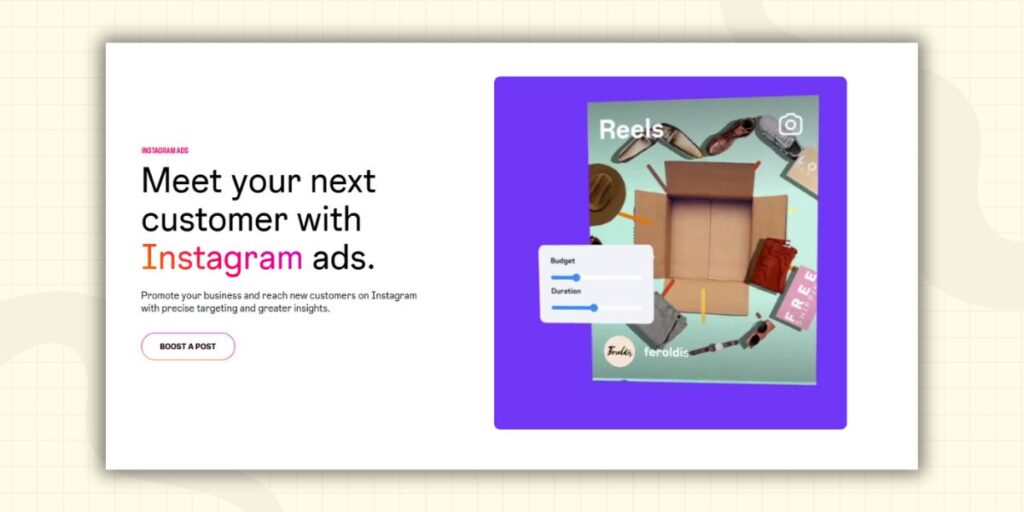
Instagram continues to dominate visual marketing, especially among younger demographics, with robust shopping features and high engagement rates.
Strengths:
- Superior engagement rates for visual content
- Instagram Reels competing directly with TikTok’s short-form video
- Built-in shopping features and product catalogs
- Strong influencer marketing ecosystem
- Excellent for brand storytelling and lifestyle marketing
- High-quality audience that responds well to premium brands
Best for: Fashion, beauty, food, lifestyle brands, visual-first businesses, companies targeting 18-35 demographics
Instagram’s 3.15 million users in Singapore represent 53.8 percent of the total population, making it essential for brands targeting younger, visually-oriented consumers. The platform’s shopping features create seamless paths from discovery to purchase.
Also Read: Want More Sales? Learn How to Take Good Product Photos for Instagram!
3. LinkedIn — The King of B2B Ads
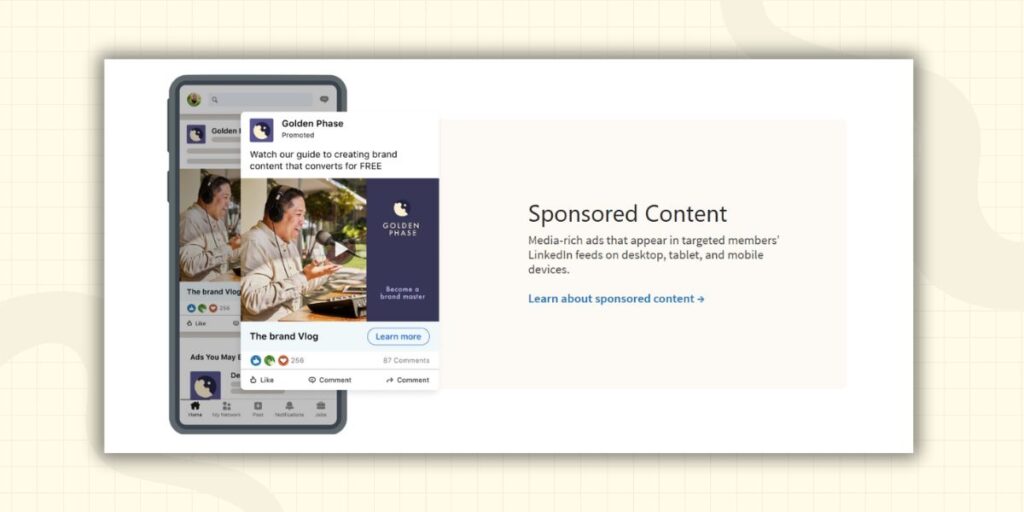
LinkedIn maintains its position as the undisputed leader for B2B marketing, offering unparalleled professional targeting options.
Strengths:
- Precise targeting by job title, company, industry, and professional interests
- High-quality leads with strong purchase intent
- Excellent for thought leadership and brand authority building
- Native lead generation forms that reduce friction
- Account-based marketing (ABM) capabilities
- Professional content environment builds trust
Best for: B2B services, SaaS companies, professional services, recruitment, high-value B2B products
With LinkedIn’s ads reaching 95.8 percent of Singapore’s population aged 18 and above, the platform offers exceptional reach among working professionals. While costs are higher, the quality of leads typically justifies the investment for B2B companies.
Also Read: How Much Do LinkedIn Ads Cost? Here’s The Full Breakdown!
4. YouTube — Longform Video + High Intent
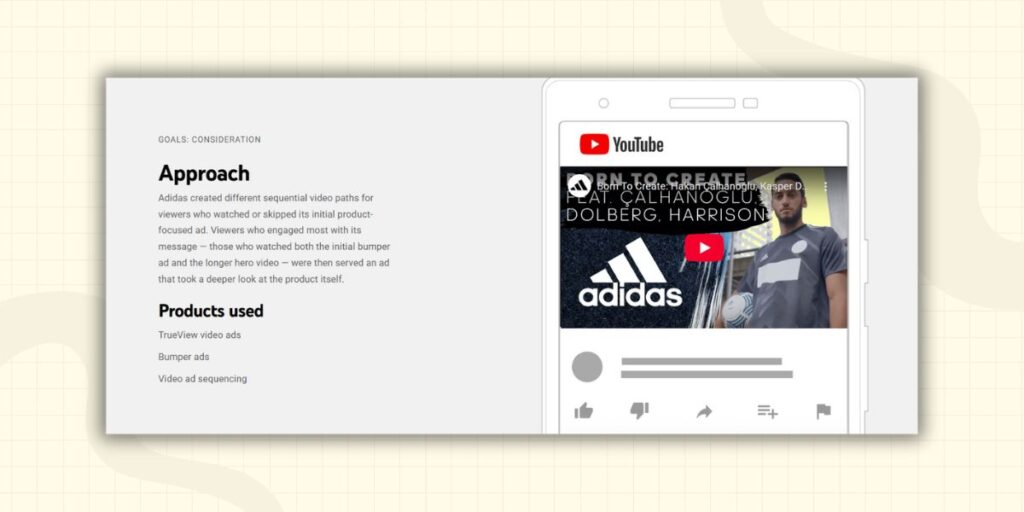
YouTube combines massive reach with high engagement, offering unique opportunities for educational and demonstration content.
Strengths:
- Massive audience reach with 5.16 million users in Singapore
- High engagement for educational and tutorial content
- Multiple ad formats from skippable to bumper ads
- Integration with Google Ads for powerful targeting
- Excellent for product demonstrations and tutorials
- Strong performance for retargeting campaigns
Best for: Brands that can create compelling video content, educational products, tutorials, product demonstrations, awareness campaigns
YouTube’s strength lies in intent-driven viewing. Users actively search for content, creating opportunities for brands to provide value through helpful, educational material that builds trust and authority.
Also Read: Reaching Your Audience: Mastering YouTube Ads Targeting
5. TikTok — Rapidly Growing Platform with Exceptional Engagement
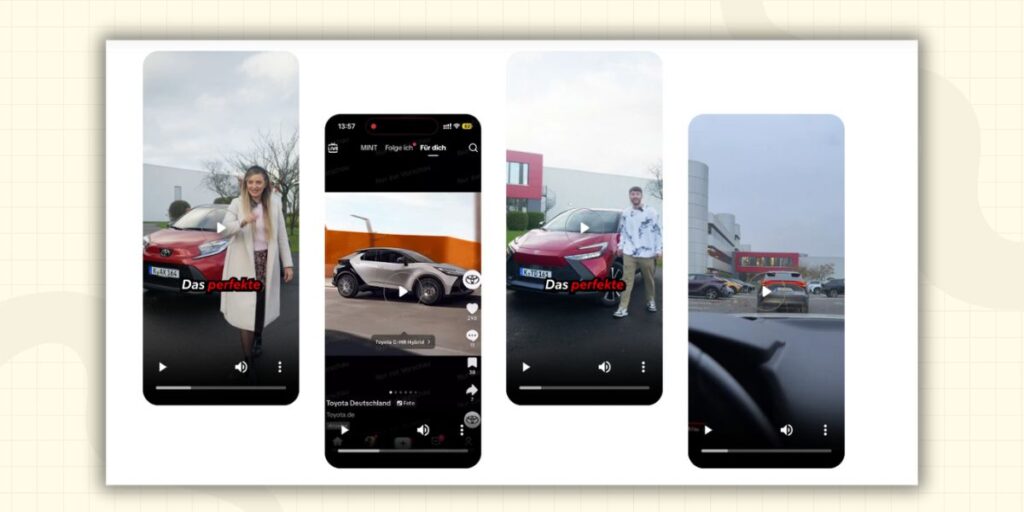
TikTok has established itself as a major force in social media advertising, particularly effective for reaching younger demographics and creating authentic brand connections.
Platform Performance in Singapore: Singaporeans spend an average of 33 hours and 23 minutes monthly on TikTok, more than an hour every day. The platform has achieved a potential ad reach of 3.38 million users in Singapore, representing 56% of the total population. This level of engagement significantly exceeds most other social platforms.
Key Advantages:
- Algorithm-Driven Discovery: TikTok’s recommendation algorithm effectively surfaces content to relevant audiences, giving businesses opportunities for organic reach that have become rare on other platforms.
- Authentic Content Performance: The platform favors genuine, unpolished content over highly produced advertisements. This approach often works well for local businesses that can showcase personality and behind-the-scenes content.
- Short-Form Video Format: The platform’s format encourages concise, engaging content that quickly captures attention and communicates value propositions effectively.
- Strong Local Engagement: TikTok content featuring local elements, cultural references, or Singapore-specific trends tends to generate higher engagement rates among local audiences.
Best for: Food & beverage businesses, fashion and retail brands, entertainment companies, and service businesses that can demonstrate their expertise through quick, engaging videos.
Important Considerations: Success on TikTok requires understanding platform culture and trends. The content style needs to feel native to the platform rather than promotional. Businesses should be prepared to show personality and authenticity rather than maintaining strictly corporate messaging.
Content Strategy Recommendations:
- Focus on educational or entertaining content first, promotion second
- Engage with local trends and cultural moments
- Show behind-the-scenes processes or team personalities
- Create content that provides value to viewers beyond selling products
Also Read: What Does FYP Mean? Mastering TikTok’s For You Page
6. Twitter/X — Real-Time and Conversation-Driven
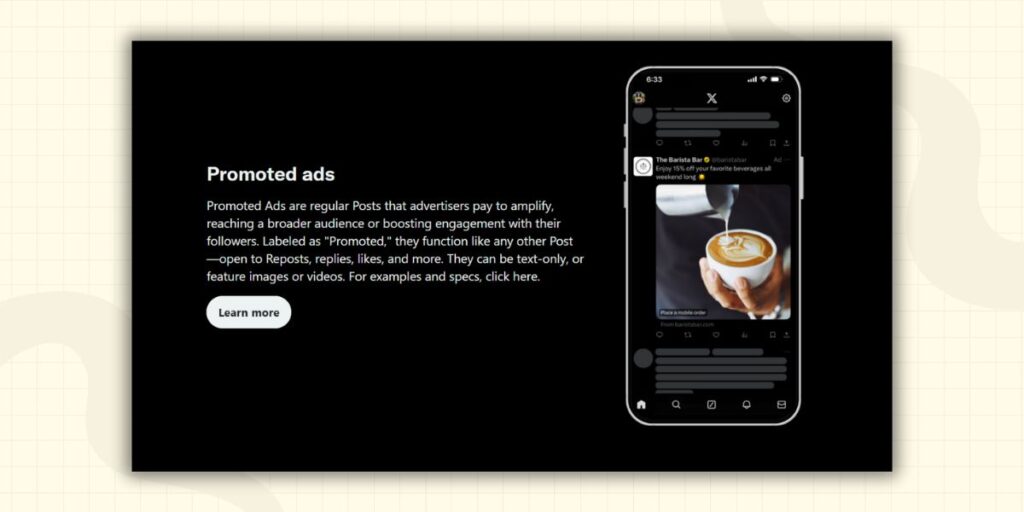
Twitter/X excels at real-time marketing and conversation-driven campaigns, though its effectiveness varies by market.
Strengths:
- Real-time trending topics and news
- Strong for customer service and brand reputation management
- Keyword targeting for relevant conversations
- Effective for thought leadership and industry discussions
- Quick customer response capabilities
Best for: News, media companies, fintech, real-time campaigns, crisis communication, B2B thought leadership
Singapore Consideration: X can influence the whole nation, representing 97.5% of its total population with a potential ad reach of 5.88 million, though engagement rates may be lower compared to other platforms in Southeast Asian markets.
7. Pinterest — Visual Discovery and High Buyer Intent
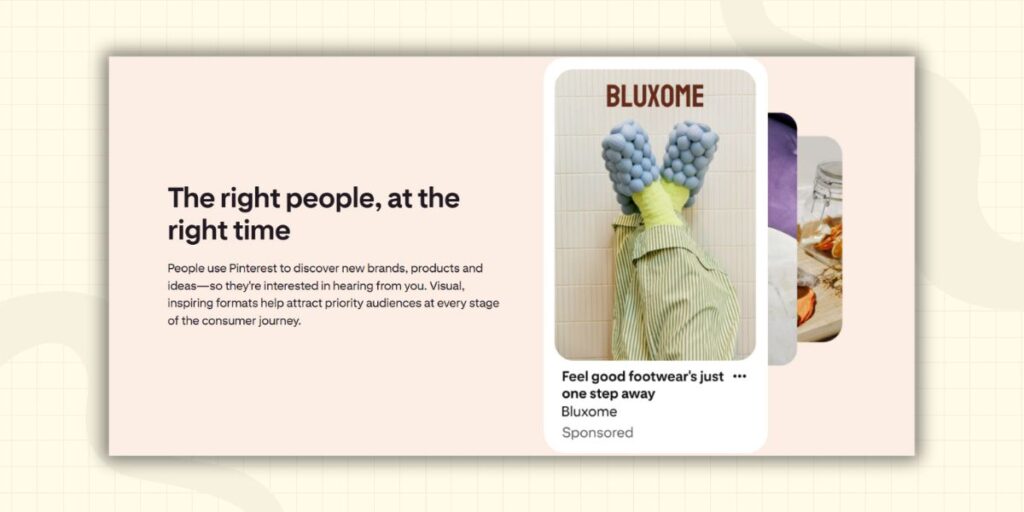
Pinterest serves as a visual search engine with users showing strong purchase intent.
Strengths:
- Long content lifespan with evergreen potential
- High buyer intent among users
- Excellent for driving website traffic
- Strong performance for lifestyle and DIY content
- Effective for e-commerce and retail
Best for: Home decor, beauty, DIY, wedding planning, food & recipe brands, lifestyle products
Pinterest users often research purchases months in advance, making it valuable for businesses with longer consideration cycles and visual products.
8. WhatsApp — High Engagement for Direct Customer Communication
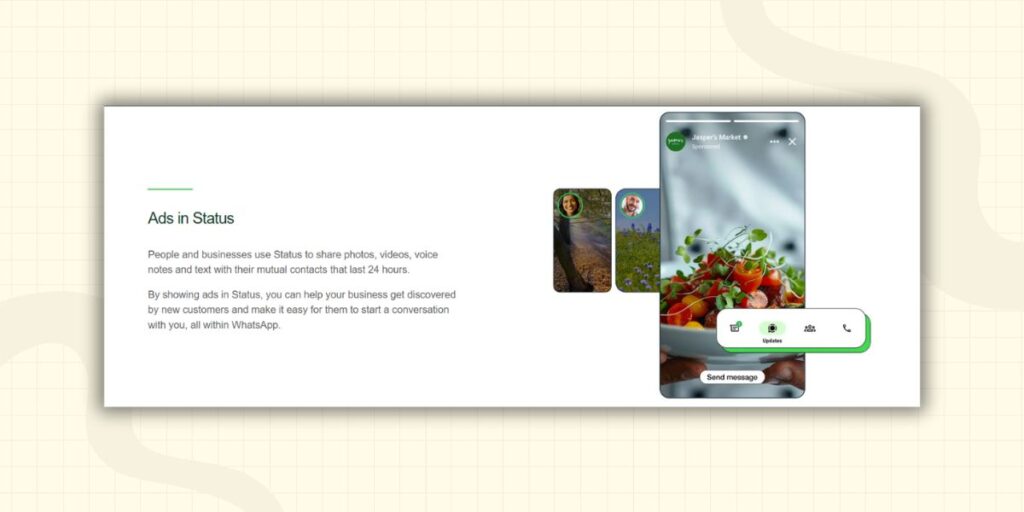
While not a traditional advertising platform, WhatsApp Business API offers unique direct communication opportunities.
Strengths:
- Extremely high open rates (98%+)
- Personal, direct communication channel
- Excellent for customer service and support
- Strong for appointment bookings and updates
- Works well for nurturing existing customers
Best for: Service-based businesses, appointment-based services, customer support, post-sale communication
WhatsApp functions more as a CRM tool than an advertising platform, but its effectiveness for customer communication makes it valuable for businesses focused on customer retention and service.
So, Which Social Media Platform Is Best for Promotion?
The choice of the best social media platform for advertising depends on several key factors specific to your business model, target audience, and marketing objectives. Rather than following general trends, successful platform selection requires understanding where your customers are most engaged and ready to make purchasing decisions.
Strategic Platform Selection Framework:
- Business Model Considerations: For B2B companies, LinkedIn’s precision targeting reaches 95.8% of Singapore’s working population aged 18 and above, making it highly effective for professional services and B2B solutions despite higher advertising costs. Local businesses often find Facebook’s local targeting and cost-effectiveness ideal for reaching neighborhood customers, while e-commerce businesses may benefit from Instagram’s visual format and shopping features.
- Audience Demographics and Behavior: Platform selection should align with where your target audience is most active. TikTok’s 33+ hours of monthly engagement per user makes it valuable for brands targeting younger demographics, while LinkedIn’s professional environment suits B2B marketing.
- Content Creation Capabilities: Consider your team’s ability to create platform-appropriate content consistently. Video-first platforms like TikTok and YouTube require different resources than image-focused Instagram or text-based LinkedIn content.
- Budget and Resource Allocation: Different platforms have varying cost structures and requirements. Facebook offers relatively low cost-per-click rates ($0.83 industry average), while LinkedIn typically requires higher investment but often delivers more qualified leads for B2B businesses.
Platform-Specific Performance in Singapore:
- For Local Businesses: Facebook’s local targeting capabilities combined with Instagram’s visual discovery create effective combinations for Singapore businesses targeting local customers.
- For E-commerce: Instagram’s shopping features and visual format, combined with Facebook’s retargeting capabilities, often provide comprehensive coverage for online retail businesses.
- For Professional Services: LinkedIn’s professional environment and precise targeting make it essential for B2B lead generation, despite higher costs.
- For Consumer Brands: TikTok’s high engagement rates and algorithm-driven discovery offer significant opportunities, particularly for brands comfortable with authentic, trend-based content.
The most effective approach often involves focusing resources on 1-2 platforms where your audience is most engaged, rather than spreading efforts across multiple platforms without sufficient depth or consistency.
Final Tips for Choosing the Right Platform

Stop Making These Expensive Mistakes
Most Singapore businesses approach social media advertising backwards. They pick platforms based on personal preference, copy what competitors are doing, or worse – try to be everywhere at once. Here’s how to actually succeed:
1. Start with Strategy, Not Platforms
Before you even think about Facebook vs Instagram, answer this: What specific action do you want people to take? Download an app? Visit your store? Book a consultation? Your platform choice should match your conversion goal, not your comfort zone.
2. The 80/20 Rule for Platform Selection
Put 80% of your budget on the platform where your audience is most engaged and ready to buy. Use the remaining 20% to test one additional platform. This prevents the “spray and pray” approach that burns through budgets without delivering results.
3. Content Capability Audit (Be Honest)
- Can you create video content weekly? Then TikTok/YouTube are options
- Are you better with written content? Focus on LinkedIn/Facebook
- Great photography but terrible at writing? Instagram first
- Limited time/resources? Start with Facebook’s versatile ad formats
4. The Singapore Business Reality Check
Track actual performance, not vanity metrics. A local hardware store getting 1000 TikTok followers means nothing if Facebook generates actual walk-in customers. In Singapore’s competitive market, revenue beats reach every time.
5. Test Smart, Not Hard
Don’t launch on multiple platforms simultaneously. Master one platform’s advertising system, understand its reporting, and achieve consistent profitability before expanding. How to develop content marketing strategy becomes much clearer when you understand what actually converts on each platform.
6. When to Get Professional Help
If you’re spending more than $2000/month on ads, or if you’ve been running campaigns for 3+ months without clear ROI, it’s time for expert guidance. Performance marketing specialists can help Singapore businesses avoid expensive trial-and-error phases by implementing proven strategies from day one.
The Platform Selection Red Flags:
- Choosing platforms because “everyone says we should be on TikTok”
- Running identical content across all platforms
- Not tracking platform-specific conversion costs
- Switching platforms every month based on the latest marketing blog post
Success Indicators You’re on the Right Platform:
- Decreasing cost per conversion over time
- Engaged audience that asks questions and shares content
- Clear correlation between ad spend and business results
- Organic growth alongside paid performance
The Bottom Line: The best platform is the one that consistently turns your ad spend into profit. Everything else is just expensive experimentation.
Conclusion
The best social media platform for advertising is ultimately the one that connects your business with your target audience where they’re most engaged and ready to take action. In Singapore’s dynamic digital landscape, success comes from understanding each platform’s unique strengths and aligning them with your business goals, audience demographics, and content capabilities.
Whether you’re a local business targeting neighborhood customers through Facebook, a B2B company generating leads on LinkedIn, or a youth-focused brand building viral content on TikTok, the key is strategic focus rather than scattered efforts.
Ready to develop a winning social media advertising strategy for your Singapore business? A great Singapore’s digital marketing agency can help businesses navigate platform selection, optimize ad campaigns, and maximize ROI across the right social media channels. Contact us to discover which platforms will drive the best results for your specific business goals.