Running a small business in 2026 means you’re already doing ten jobs at once. Now add “social media expert” to that list. Here’s what nobody tells you upfront: 76% of small businesses lack a structured marketing plan, which explains why so many struggle on social media despite spending hours creating content.
This isn’t another “post consistently and you’ll succeed” guide. This is the reality of social media marketing for small businesses, the actual timelines, realistic expectations, and strategies that work when you’re competing against better-funded brands while simultaneously trying to run your business.
The good news? Small businesses with a structured approach are 6.7 times more likely to report marketing success than those winging it. Strategy beats budget every time.
Table of Contents
What Is Social Media Marketing for Small Businesses?

Social media marketing for small business means using platforms like Facebook, Instagram, TikTok, and LinkedIn to build relationships with potential customers, establish your brand presence, and drive revenue. Unlike enterprise marketing with unlimited budgets and dedicated teams, small business social media succeeds through authenticity, strategic focus, and consistent execution within real-world constraints.
The fundamental difference: Large brands can afford to be everywhere with mediocre results. Small businesses must dominate 1-2 platforms with excellent execution.
Your objectives aren’t complex:
- Discovery: Being found by people actively searching for solutions you provide
- Credibility: Building trust so strangers become customers
- Engagement: Creating conversations, not broadcasting advertisements
- Revenue: Converting followers into paying customers
Why Social Media Marketing Works for Small Businesses

The data reveals a compelling case for small business social media investment:
- Proven ROI Across Industries Social media advertising now delivers an average 250% ROI, meaning businesses earn $2.50 for every $1 spent on paid campaigns. More importantly, 87% of small businesses report that social media has aided their business growth, with 59% reporting direct sales increases.
- Low Barrier to Entry, High Ceiling for Growth You can start with zero advertising budget. Organic social media requires only your time. When ready to scale, even modest budgets ($5-10 daily) can reach hundreds of targeted prospects. Compare this to traditional advertising where minimum spends are measured in thousands, not tens of dollars.
- Small Business Competitive Advantage While large corporations struggle with authentic voice and slow approval processes, small businesses can respond in real-time, show genuine personality, and build intimate community connections. Your size becomes an advantage when authenticity matters more than polish, which it increasingly does.
- Precision Targeting That Scales Whether you serve a 5-kilometer radius around your physical location or sell globally online, social platforms offer targeting capabilities previously available only to enterprise brands. You can reach “25-40-year-old parents interested in organic food within 10 km” without wasting impressions on irrelevant audiences.
The Reality of Social Media Marketing for Small Businesses

Let’s address what most guides won’t: success takes longer than you expect, requires more consistency than feels comfortable, and often yields different results than you originally aimed for.
The Time Investment Reality “Posting daily” sounds manageable until you’re actually running a business. 90% of marketing professionals report social media boosted business exposure, but this rarely happens from sporadic posting. The sustainable approach: 2-3 high-quality posts weekly beats daily mediocre content every time.
Myths Sabotaging Small Businesses
- Myth: You must be everywhere → Reality: The businesses succeeding on social media typically dominate 1-2 platforms rather than maintaining weak presence across five. 84% of small businesses use Facebook for advertising, while 67% use Instagram. Notice they’re not dividing attention across ten platforms.
- Myth: Viral success changes everything → Reality: Viral moments create temporary spikes. Sustainable business growth comes from consistent, compound audience building. The most successful small businesses treat virality as an occasional bonus, not strategy.
- Myth: More followers = more sales → Reality: Engagement rate matters infinitely more than follower count. An account with 1,000 engaged followers (5% engagement rate) outperforms 10,000 unengaged followers (0.5% engagement rate) in revenue generation.
What Actually Happens in Months 1-6
- Months 1-2: Awkward experimentation phase. You’re learning what resonates, building posting rhythm, likely seeing minimal follower growth. This is normal, not failure.
- Months 3-4: Pattern recognition emerges. You understand which content types drive engagement, what time your audience is active, what topics resonate. Growth accelerates slightly.
- Months 5-6: Momentum builds. Website traffic from social increases, customer acquisition becomes measurable, your audience size reaches critical mass where organic sharing begins.
Most small businesses quit in month 3, right before results typically materialize.
Choosing the Right Social Media Platforms
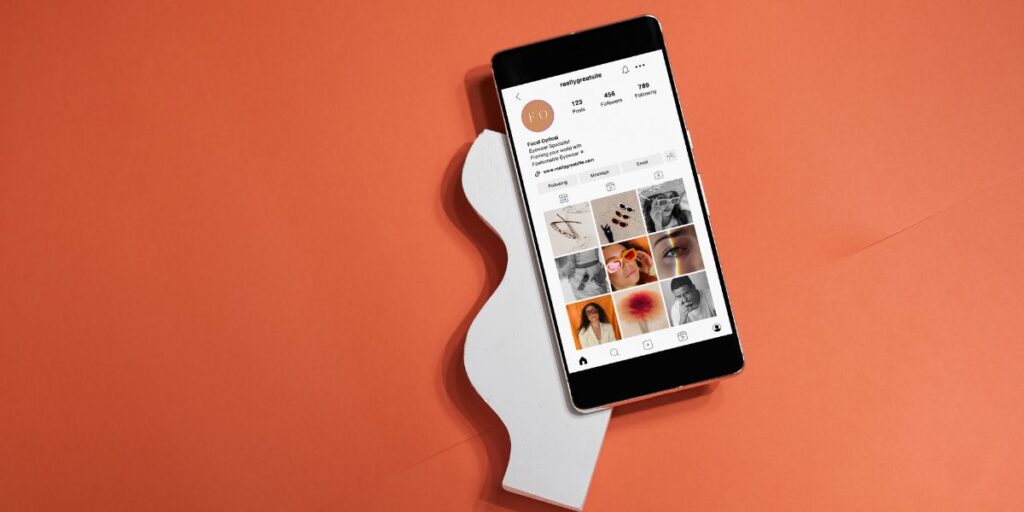
Platform selection determines 50% of your success. Choose wrong, and excellent execution won’t save you.
1. Facebook: The Reliable Revenue Driver
Despite proclamations of its demise, Facebook remains the workhorse for small business marketing. With 84% of small businesses using it for advertising, there’s a reason: it works.
Key data points:
- 70% of Facebook users visit local business pages at least weekly
- 38% of small businesses consider Facebook their top B2C marketing platform
- Cost per click averages $5-6, making it relatively affordable
Best for: Local businesses, community building, businesses serving 30+ age demographics, e-commerce with retargeting needs.
2. Instagram: Visual Brands Under Pressure
Instagram’s strength lies in visual storytelling, but 2024-2026 data reveals concerning trends: overall engagement dropped 28% year-over-year, with current engagement rates at just 0.50%, the lowest among major platforms.
However, for visually-driven businesses (fashion, food, beauty, interior design), Instagram remains essential. The key shift: Reels now account for one-third of time spent on the platform, while static posts perform best at 6.2% engagement.
Best for: Visual product businesses, lifestyle brands, businesses targeting 18-40 demographics, brands prioritizing aesthetic consistency.
3. TikTok: The High-ROI Disruptor
TikTok has fundamentally changed small business social media by democratizing reach. Unlike Facebook and Instagram, where the algorithm favors established accounts, TikTok prioritizes content quality over account size.
The numbers are remarkable:
- 88% of small businesses report increased sales following TikTok activity
- 74% sold out products tied to TikTok promotions
- 78% of e-commerce SMBs report higher ROI on TikTok than Instagram or Facebook
- Average engagement rate: 4.86%, nearly 4x Instagram’s
Best for: Product-based businesses, brands comfortable with video, businesses targeting under-40 demographics, creative storytelling.
For businesses ready to invest in TikTok, our comprehensive TikTok marketing strategy guide provides platform-specific tactics.
4. LinkedIn: B2B Authority Platform
If you sell to other businesses, LinkedIn isn’t optional. With an average engagement rate of 6.50%, the highest of any major platform. LinkedIn delivers unmatched B2B reach.
Best for: B2B companies, professional services, consultants, SaaS businesses, recruitment, thought leadership.
The Focus Strategy: Why 1-2 Platforms Wins Data proves divided attention produces divided results. Small businesses succeeding on social media typically dominate one platform before expanding. Choose based on:
- Where your ideal customer spends time (not where you personally prefer)
- What content format aligns with your strengths (video vs. images vs. text)
- What platform demographics match your target market
When evaluating platforms, consider our analysis of the best social media platform for advertising based on business type and goals.
Building a Simple Social Media Strategy (That You Can Maintain)
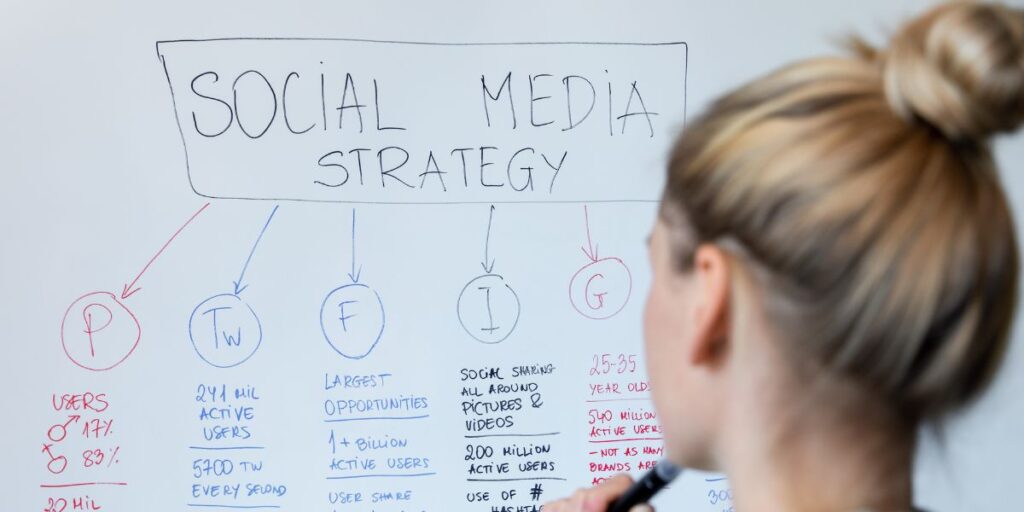
Complexity kills consistency. Your strategy should fit on one page.
Step 1: Define Your Single Most Important Goal Not three goals. One. Small businesses with clear objectives outperform those trying to accomplish everything:
- Increase local brand awareness (measure: follower growth + local reach)
- Drive website traffic (measure: click-through rate + sessions from social)
- Generate qualified leads (measure: form submissions + consultation bookings)
- Increase e-commerce sales (measure: revenue attributed to social)
- Build engaged community (measure: engagement rate + comment quality)
Step 2: Know Your Audience Specifically “Everyone” isn’t a target market. Create one simple audience profile:
- Demographics: Age 28-45, Singapore-based, household income SGD 80k+
- Psychographics: Values convenience, willing to pay premium for quality, environmentally conscious
- Pain points: Limited time, overwhelmed by choices, skeptical of overpromising brands
- Content preferences: Quick tips, behind-the-scenes authenticity, practical how-tos
The more specific, the more effective your content becomes.
Step 3: Establish Your Content Framework Choose 3-4 content pillars, recurring themes you’ll consistently cover. For example, a Singapore café might use:
- Local coffee culture and origin stories
- Brewing techniques and coffee education
- Community spotlights and customer stories
- Sustainability practices and ethical sourcing
This prevents “what should I post today?” paralysis while establishing expertise.
Step 4: Set Sustainable Posting Frequency Base this on what you can maintain indefinitely, not ideal scenarios:
- Minimum viable consistency: 2 posts per week
- Growth mode: 3-4 posts per week
- Aggressive expansion: 5-7 posts per week
Remember: 87% of small businesses with marketing plans report success, but plans you can’t sustain become plans you abandon.
Content Rules Small Businesses Can Follow (Without Burnout)

Content frameworks eliminate decision fatigue while ensuring balance.
1. What Is the 50-30-20 Rule for Social Media?
Divide your content into three categories:
- 50% Value-Driven: Educational content, entertainment, inspiration that serves your audience without asking for anything
- 30% Engagement: Conversation starters, questions, polls, community-building content
- 20% Promotional: Product features, sales announcements, direct calls-to-action
Why this works: It prevents being overly promotional (the fastest way to lose followers) while ensuring you actually promote your business. Many small businesses fail by inverting this ratio, 80% promotional content repels audiences, 20% valuable content never builds credibility.
Example for Singapore IT consulting firm:
- 50%: Digital transformation tips, cybersecurity best practices, productivity tool reviews
- 30%: “What’s your biggest tech challenge?” discussions, industry trend debates
- 20%: Service offerings, case study results, consultation calls-to-action
2. What Is the 5-5-5 Rule on Social Media?
This engagement formula requires just 15 minutes daily:
- 5 minutes: Like 10-15 posts from potential customers and complementary businesses
- 5 minutes: Leave meaningful comments (not generic “great post!”) on 5-7 relevant posts
- 5 minutes: Share valuable third-party content with your perspective added
Why this works: Social media algorithms reward engagement, not just posting. Active community participation increases your visibility exponentially while building genuine relationships.
3. What Is the 3-3-3 Rule in Marketing?
Perfect for businesses just starting:
- 3 content formats: Test video, images, and carousel posts
- 3 content topics: Align with your content pillars
- 3 posting times: Test morning, midday, and evening
Why this works: Provides structured experimentation without overwhelming complexity. After 4-6 weeks, you’ll have data showing what works for your specific audience.
Which Social Media Rule Should You Use?

- Just starting out? → Use the 3-3-3 rule for structured experimentation
- Want content balance? → Use the 50-30-20 rule for preventing over-promotion
- Struggling with engagement? → Implement the 5-5-5 rule to build community
- Advanced strategy? → Combine 50-30-20 for content mix with 5-5-5 for daily engagement
These are guidelines, not gospel. A B2B consulting firm might adjust to 60-25-15 (more value, less promotion). A retail store during holiday season might shift to 40-30-30 (more promotional). Adapt to your reality.
Creating Content That Works for Small Businesses

High production value doesn’t guarantee results. Relevance and authenticity do.
Content Types Delivering ROI for Small Businesses:
- Behind-the-Scenes Content: The single most effective way to differentiate from competitors. Show your process, introduce your team, explain why you make certain choices. This builds trust faster than polished advertisements ever could.
- Customer Success Stories: Social proof outperforms self-promotion by orders of magnitude. Share testimonials, before-and-after transformations, customer reviews. Understanding why user generated content is so important reveals that user-generated content builds 2.4x higher trust than brand-created content.
- Educational Content Without Sales Pitch: Teach your audience something genuinely useful. A skincare business shares dermatologist-approved routines. An accounting firm explains tax-saving strategies. Value-first content establishes expertise while building gratitude, and grateful audiences eventually become customers.
- Authenticity Outperforms Polish Your smartphone camera is enough. Overproduced content can actually hurt small businesses by appearing inauthentic. People want to see real humans behind businesses, not corporate facades.
Content Repurposing for Maximum Efficiency Create once, distribute multiple times:
- Film one 60-second tutorial → Post to TikTok, Instagram Reels, Facebook, YouTube Shorts
- Write one educational post → Turn into carousel, infographic, LinkedIn article
- Record one customer testimonial → Extract quote graphics, video clips, text posts
This multiplies content reach while minimizing time investment.
How Often Should Small Businesses Post?

Platform-specific benchmarks based on 2026 algorithm behavior:
- Facebook: 3-5 posts weekly (daily posting on Facebook can actually decrease reach)
- Instagram Feed: 3-4 posts weekly
- Instagram Stories: 3-7 Stories weekly (doesn’t need to be daily despite popular advice)
- TikTok: 3-5 posts weekly minimum for consistent growth
- LinkedIn: 2-3 posts weekly
Quality vs. Quantity Reality Check Three excellent posts per week consistently outperform daily mediocre content. The businesses failing on social media typically post frequently but poorly, while successful businesses post less but strategically.
Sustainable Weekly Schedule (90 minutes total):
- Monday: Behind-the-scenes Story (5-10 minutes)
- Wednesday: Educational or entertaining post (20-30 minutes to create)
- Friday: Community engagement or customer spotlight (15-20 minutes)
- Daily: 10-15 minutes responding to comments, engaging with others
This requires 60-90 minutes weekly, sustainable for business owners managing multiple responsibilities.
Social Media Advertising for Small Businesses
Organic reach has limits. Strategic paid advertising accelerates growth.
When Organic Reach Plateaus 70% of small businesses now invest in social media advertising, allocating up to 30% of marketing budgets to social ads. The shift isn’t about organic failure, it’s about scaling what already works.
Organic vs. Paid: The Complementary Relationship
- Organic content: Builds community, establishes expertise, nurtures existing audience
- Paid advertising: Reaches new audiences, drives specific outcomes, scales proven content
Most successful small businesses use both: organic content for relationship building, paid ads for customer acquisition.
When Paid Advertising Makes Sense Consider advertising when:
- Your organic content consistently generates strong engagement (validation that messaging resonates)
- You have specific conversion goals (sales, leads, signups) with measurable ROI
- You need predictable, scalable results (organic reach fluctuates; paid reach doesn’t)
- You’re launching time-sensitive campaigns (events, promotions, seasonal offers)
Small-Budget Advertising Strategy Even modest budgets generate meaningful results:
- Starting point: $5-10 daily ($150-300 monthly)
- Sweet spot for most small businesses: $500-1,000 monthly
- Established campaigns: $1,500-2,500 monthly
For businesses evaluating ad spending, our guide on how to allocate budget for digital marketing provides frameworks for balancing organic and paid investment.
Smart Ad Tactics for Limited Budgets:
- Start hyper-targeted: Begin with narrow audience (specific location + interest) before expanding
- Test with $50 experiments: Run 3-5 day tests comparing audiences, creative, or messaging
- Retarget website visitors first: These warm audiences convert 3-5x higher than cold traffic
- Scale winners, kill losers fast: Double down on ads showing positive ROI, cut underperformers within 3 days
Understanding Facebook advertising cost benchmarks helps set realistic expectations: expect $5-6 cost per click on Facebook, $1 per click on TikTok.
Critical Mistakes Wasting Ad Budgets
- Boosting posts randomly without strategic objective (every dollar should serve a measurable goal)
- Targeting “everyone” because reaching everyone means resonating with no one
- Abandoning campaigns after 3-4 days (platforms need 5-7 days for algorithm optimization)
- Using poor creative (strong targeting with weak creative wastes budget)
A Simple Social Media Plan for Small Businesses

Stop theorizing. Here’s your 90-day execution roadmap:
Week 1: Foundation & Setup
- Choose 1-2 platforms based on where your ideal customers spend time
- Optimize profiles completely (clear value proposition in bio, business contact information, profile/cover imagery)
- Research 15-20 accounts: 10 competitors, 5-10 complementary businesses or influencers in your space
- Define your primary goal and 3 content pillars
- Create simple content calendar for next 2 weeks (doesn’t need fancy tools, Google Sheets works fine)
Weeks 2-4: Building Posting Rhythm
- Post 2-3 times weekly following 50-30-20 framework
- Spend 10-15 minutes daily engaging (5-5-5 rule)
- Document what content receives strongest engagement
- Respond to every comment within 24 hours
- Adjust content themes based on early audience response
Weeks 5-8: Refining & Consistency
- Analyze which content types perform best (video vs. images, educational vs. entertaining)
- Double down on highest-performing content formats
- Increase posting to 3-4 times weekly if sustainable
- Build email capture process from social traffic
- Test first $50 ad campaign on your best organic post
Weeks 9-12: Testing Paid Acceleration
- Run small ad tests ($5-10 daily for 5-7 days each)
- Test 2-3 different audiences against same creative
- Test 2-3 different creatives against same audience
- Measure cost per result (website click, lead, sale—whatever your goal is)
- Scale winning combinations, kill losers immediately
Success Metrics by Phase:
- Weeks 1-4: Activity (Did I post consistently? Did I engage daily?)
- Weeks 5-8: Engagement (Are people liking, commenting, sharing?)
- Weeks 9-12: Business outcomes (Am I getting website traffic, leads, or sales?)
Measuring Social Media Success (Without Overthinking It)

Not all metrics matter. Focus on indicators actually connected to business goals.
- Engagement Rate: The percentage of your audience interacting with content. Calculate: (Likes + Comments + Shares + Saves) ÷ Followers × 100. Engagement rate reveals content quality better than vanity metrics. Current benchmarks by platform:
- LinkedIn: 6.50%
- Facebook: 5.07%
- TikTok: 4.86%
- Instagram: 1.16%
- Reach & Impressions: How many people see your content. Growing reach indicates increasing visibility.
- Click-Through Rate: Percentage of people clicking your links. If driving traffic is your goal, this directly measures success.
- Conversion Rate: Of people reaching your website from social media, what percentage takes desired action (purchase, signup, contact)? This is the only metric that ultimately matters for revenue.
For comprehensive marketing measurement, explore our guide on key KPIs for marketing that actually drive business growth.
Metrics to Ignore (or Deprioritize)
- Raw follower count in isolation (10,000 unengaged followers provide zero business value)
- Impressions without engagement context (reaching people who ignore you accomplishes nothing)
- Vanity metrics compared to enterprise brands (compare yourself to similar-sized businesses)
Simple Tracking System You don’t need expensive tools. Start with:
- Platform native analytics (Facebook Business Suite, Instagram Insights, TikTok Analytics)
- Google Analytics for website traffic from social sources
- Monthly tracking spreadsheet noting follower count, engagement rate, website clicks, conversions
Common Social Media Marketing Mistakes Small Businesses Make

Learn from these expensive failures:
- Trying to Maintain Presence Everywhere Mediocrity across five platforms loses to excellence on one. The small businesses succeeding on social media typically dominate 1-2 platforms before considering expansion. Platform dilution is the fastest path to burnout.
- The Over-Promotion Death Spiral When more than 40% of content directly promotes products/services, audience engagement craters. Nobody follows businesses to see constant advertisements. The 50-30-20 rule exists because promotional content should be minority, not majority.
- Inconsistency That Kills Momentum Posting 10 times in one week then disappearing for three weeks destroys algorithm favorability and audience memory. The businesses succeeding post 2-3 times weekly for months, not 7 times weekly for two weeks.
- Premature Quitting Most small businesses abandon social media between months 3-4, right before traction typically materializes. Remember: businesses with marketing plans are 6.7x more likely to succeed. Plans require time to work.
- Ignoring Comments & Messages Brands that never respond to comments waste social media’s primary advantage: two-way communication. Even responding within 24 hours builds relationships competitors ignoring their audience never create.
- Buying Followers or Engagement Fake followers don’t buy products, don’t engage authentically, and destroy engagement rates. Platforms can detect purchased engagement, often reducing organic reach as punishment.
When Should a Small Business Hire a Social Media Marketing Agency?

DIY social media works until it doesn’t. Here are signals professional help makes sense:
Recognizing DIY Limitations
You should consider professional support when:
- Posting consistently for 6+ months with minimal follower growth or engagement
- Lacking time to maintain consistent posting while running your business
- Ready to scale with paid advertising but unsure how to avoid wasting budget
- Needing sophisticated strategy (influencer partnerships, multi-platform campaigns, integrated digital marketing) beyond basic posting
- Missing business opportunities because you can’t monitor and respond to comments/messages consistently
What Agencies Actually Provide
A professional social media marketing agency in Singapore or elsewhere delivers:
- Strategic planning aligned with business revenue goals (not vanity metrics)
- Professional content creation (copywriting, graphic design, video production)
- Consistent posting and community management (removing this from your plate entirely)
- Paid advertising management with optimization (minimizing wasted ad spend)
- Analytics and ROI reporting (understanding what’s actually working)
- Time saved (allowing you to focus on business operations, product development, customer service)
How Professional Support Accelerates Growth
The right agency partner doesn’t just post for you, they become an extension of your marketing team, bringing expertise in strategy, creative execution, and data analysis that would take years to develop internally.
For Singapore-based businesses, Katartizo specializes in helping small and medium enterprises build effective social media strategies that balance organic community building with data-driven paid campaigns.
As a boutique agency understanding the unique challenges of resource-constrained businesses, Katartizo integrates social media marketing with broader SEO and content strategy, creating cohesive digital presence rather than isolated social accounts.
When evaluating agencies, our comprehensive guide on how to choose a digital marketing agency helps identify partners aligned with your business goals, budget, and growth stage.
Conclusion: Consistency Beats Complexity, Strategy Beats Spending
Social media marketing for small business success doesn’t require the biggest budget or most followers. It requires showing up consistently, providing genuine value, building real relationships, and measuring what actually matters.
The small businesses winning on social media share these traits:
- They focus on 1-2 platforms instead of dividing attention across five
- They post consistently (2-3 times weekly minimum) for months, not weeks
- They engage authentically with their community, not just broadcast
- They measure business outcomes (traffic, leads, sales), not vanity metrics (follower count)
- They adjust strategy based on data, not assumptions
Your 30-Day Action Plan:
- Week 1: Choose your platform, optimize your profile, create your first 6 posts
- Week 2: Post twice, engage 15 minutes daily, document what works
- Week 3: Post 2-3 times, increase engagement, refine content based on results
- Week 4: Maintain rhythm, analyze results, plan next month
Remember: Every successful brand on social media started with zero followers and no expertise. The difference between businesses that succeed and those that fail is persistence through awkward early stages.
When you’re ready to accelerate results with expert guidance, Katartizo partners with Singapore-based small businesses to build and execute social media strategies that actually drive revenue. Whether you need strategic direction, content creation support, or full-service social media management, we specialize in helping resource-constrained businesses compete and win against better-funded competitors.
Contact Katartizo to discuss how data-driven social media strategy can support your business goals.
The best time to start was six months ago. The second-best time is today. Your future customers are already on social media, meet them there.