We’re living in an era of instant dopamine. A world where Gen Z scrolls through a dozen TikToks in the time it takes to brew coffee, where brand discovery happens on Instagram Reels, and where “email marketing” sounds about as trendy as using Internet Explorer. But look closer, and the picture changes.
Far from fading, EDM (Electronic Direct Mail) has quietly become one of the most reliable, high-ROI tools in digital marketing—especially when used not as a blast channel, but as a behavioural engine. In 2025, the inbox remains one of the last digital spaces brands can truly control. The key? Rethinking what email is actually for.
Let’s unpack the truth behind EDM today—what is an EDM in marketing, who it works for, why it still converts, and how brands can evolve their email strategies in a short-form, algorithm-dominated world.
Table of Contents
What is an EDM in Marketing?
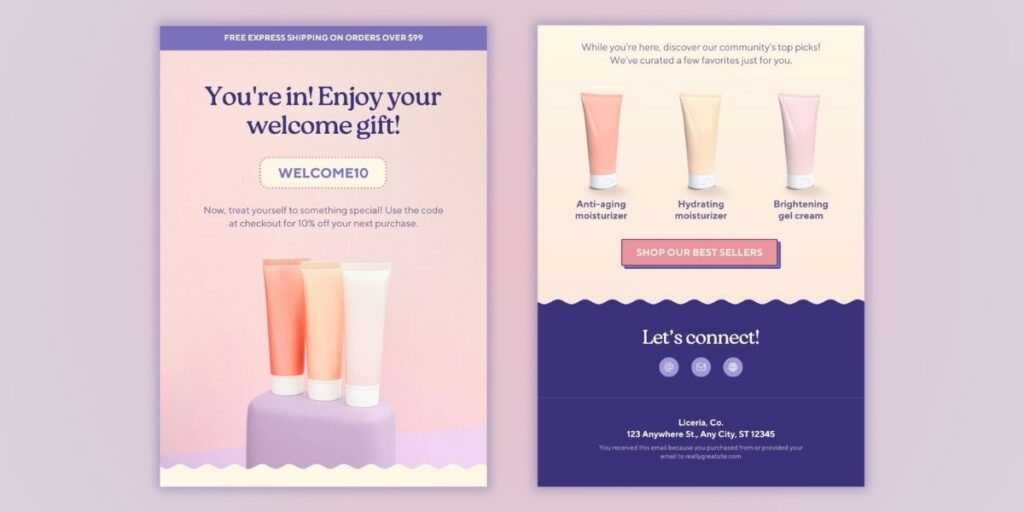
EDM stands for Electronic Direct Mail, but it’s not just a fancy word for email newsletters. In marketing, an EDM refers to a targeted, often automated series of emails designed to guide a user toward a specific goal—whether that’s making a purchase, signing up for a webinar, or returning to your site after cart abandonment.
EDMs are typically part of a larger digital campaign, and unlike traditional email blasts, they’re:
- Segmented by audience type or behaviour
- Triggered by user actions (like signing up, browsing, or buying)
- Automated to deliver at the right moment in the customer journey
EDM vs Newsletter: What’s the Difference?
| EDM (Electronic Direct Mail) | Newsletter | |
| Purpose | Drive action (purchase, signup) | Share updates or news |
| Personalisation | High — behaviour-based, segmented | Low — one-size-fits-all |
| Timing | Triggered/automated | Scheduled (weekly/monthly) |
| Format | Short, CTA-focused | Content-heavy, broad |
| Example Use Case | Cart recovery, welcome series | Monthly company update |
EDMs function as the conversion engine of your digital marketing ecosystem. Social ads and other ways to promote your product online get people interested EDMs bring them back, build trust, and ultimately drive them to act.
When done right, EDMs feel less like “email marketing” and more like relevant, helpful, perfectly timed messages—ones that respect the user’s journey and decision-making pace.
Why EDM Still Works: Performance vs Other Channels
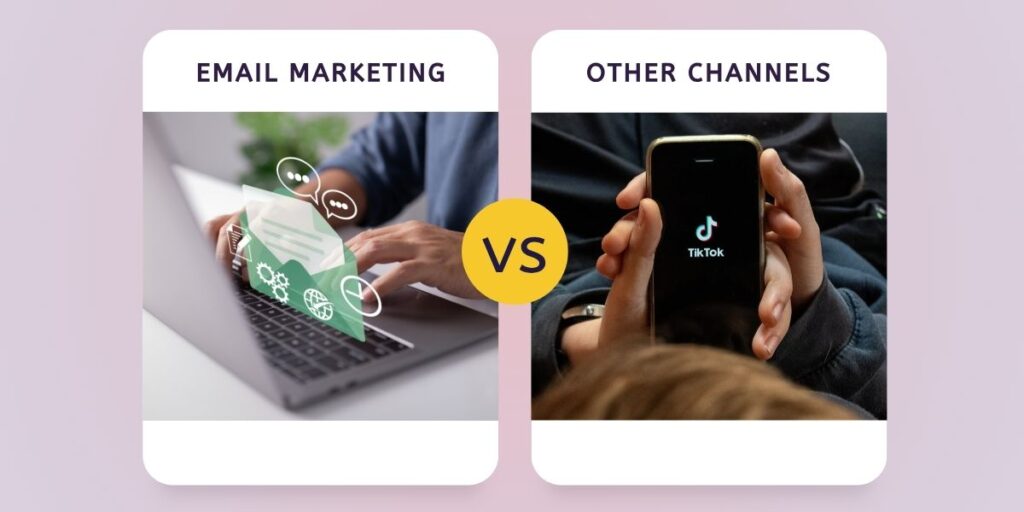
1. Email Still Outperforms Other Channels—Quietly but Consistently
Before we get into tactics, we need to challenge the assumption that email is outdated. In truth, it’s not just alive—it’s outperforming most of the channels businesses are doubling down on. Social ads may make noise. Influencers may boost awareness. But email still closes deals, builds loyalty, and drives repeat action.
According to the 2023 State of Email Report by Litmus, email marketing delivers an average $36 return for every $1 spent. Compare that to paid search (averaging $2–$3 per $1) and social ads (hovering around $2.80), and it’s clear that email is doing more than surviving—it’s thriving. Meanwhile, Campaign Monitor’s 2023 report shows global email open rates at 21.5% and average click-through rates at 2.3%, proving email still commands attention in crowded inboxes.
In eCommerce specifically, email is more than just another touchpoint. Shopify reports that email drives between 20%–25% of total revenue for most stores—outpacing social media’s contribution. When it comes to measurable ROI, email remains king. This is why developing a solid EDM marketing strategy is crucial for businesses looking to maximize their digital marketing ROI in 2025.
2. TikTok Builds Hype. EDM Builds Relationships.
Now, contrast that with TikTok and Instagram—two platforms dominating the top of the funnel. These tools are excellent for grabbing attention and fuelling discovery, but they’re often weak at follow-through. The difference between viral interest and long-term engagement comes down to control: social media is rented space, while email is owned.
TikTok excels at sparking awareness but doesn’t offer a clear path to loyalty. Email, on the other hand, lets brands nurture users over time—deepening relationships with personalised offers, reminders, and relevant content. You can’t reliably retarget someone who watched your Reel for three seconds. But you can send three customised emails to someone who added an item to their cart and clicked your last subject line.
Take Nike’s SNKRS drops as a case in point. Nike often uses TikTok to hype up exclusive sneaker launches, teasing release dates and celebrity collaborations. But when the moment comes, early access is granted via email—sent directly to high-engagement users. In one 2023 drop, “early bird” links were emailed hours before the TikTok campaign went live, and select sizes sold out in under 30 minutes.
While timing strategies like finding the best time to post on Instagram matter for social media, EDM automation lets you send messages precisely when individual users are most likely to engage with email.
| Platform | Strengths | Weaknesses |
| TikTok / IG | Reach, virality, short-form engagement | Limited targeting, low LTV, noisy |
| EDM | Owned audience, high intent, personalisation | Setup requires time, not always trendy |
Also Read: Comprehensive Social Media Marketing Strategy
How Modern EDM Marketing Works: EDM Isn’t About Blasts. It’s About Systems
This is where most brands go wrong. They treat email like a bulletin board—a space to announce new products or send monthly updates. But today’s most effective EDM strategies are more like ecosystems: they evolve based on behaviour, purchase history, and lifecycle stages.
Modern EDM marketing strategy doesn’t start with a single email—it starts with a systems approach. Welcome flows greet new subscribers and guide them to their first purchase. Abandonment emails re-engage people who’ve walked away. Post-purchase journeys introduce product care, reviews, and loyalty rewards. And reactivation sequences remind dormant customers what they loved about your brand in the first place.
High-Impact Email Automations:
- Welcome Series
- Browse Abandonment
- Cart Abandonment
- Post-Purchase Journey
- Reactivation Flow
Case Study from RedMart:
RedMart analyses grocery basket data and sends follow-up recipes tailored to what you last ordered. Buy salmon? You’ll likely receive an email with “3 Easy Salmon Recipes Under 30 Minutes” the next day. This isn’t just email—it’s personalised utility at scale.
How to Create an Effective EDM Marketing Campaign
High-performing EDMs are built on intention. They combine strategic timing, behavioural insight, and relevant messaging to guide each user toward a clear action. When crafted well, they feel less like marketing—and more like a natural part of the user’s journey.
So what separates a “sent” email from one that converts? Below is a full breakdown of what it takes to build the perfect EDM in 2025:
1. Set a single, measurable goal
Every EDM should do one job—and do it well. This could be:
- Nudging a new subscriber toward their first purchase
- Recovering a cart abandoned within the last 12 hours
- Getting a dormant user to return and re-engage
- Educating a user about a feature or offer before a renewal
Avoid combining too many objectives. If your email tries to sell, educate, invite, and survey all at once, it will do none of those things effectively.
| Tip: Start every email brief with this sentence:“After reading this email, the user should [click/sign up/return/etc.].” |
2. Segment smarter, not harder
Generic emails get ignored. Segmented ones get opened—and acted on.
Use your CRM or EDM marketing tools like Klaviyo, Mailchimp, or HubSpot to segment by
- Lifecycle stage: New subscriber, first-time buyer, VIP, lapsed user
- Behaviour: Last product viewed, pages browsed, links clicked
- Purchase history: Frequency, category, spend amount
- Location/time zone: For local events or optimised send times
- Engagement level: Opened 3+ emails in past month vs. none
Mailchimp found that segmented campaigns had 14.3% higher open rates and 100.95% higher click-through rates than non-segmented ones.
3. Make personalisation feel real (not robotic)
Today’s consumers expect emails to be tailored, but they also see through lazy personalisation. Go beyond using {FirstName} in the subject line.
Smart personalisation includes:
- “You recently browsed this” product blocks
- “Still interested?” nudges with context
- Dynamic shipping info: “Ships to Ho Chi Minh City in 3–5 days”
- Recurring orders reminder: “It’s been 30 days since your last order of [product]”
This personalized approach combines the targeting power of EDM with the value-driven methodology of content marketing.
🎯 Better:
“Still thinking about the black Chelsea boots? Your size is still in stock.”
❌ Worse:
“Hi John, check out our collection.”
4. Master your subject line (your open rate depends on it)
The subject line determines whether the rest of your content even gets seen.
Effective subject lines are:
- Short (40–50 characters or under for mobile)
- Clear—not cryptic clickbait
- Timely or urgent (but not spammy)
- Emotionally relevant (sparks curiosity, solves a problem)
🧠 Test frameworks:
- “Only X left in stock.”
- “Your discount expires tonight.”
- “This one’s just for you.”
- “You forgot something… 👀”
According to Campaign Monitor, personalised subject lines increase open rates by 26%.
5. Design for focus, not decoration
A perfect EDM doesn’t need to be flashy—it needs to guide the eye. Here’s what works:
- Strong headline (clear benefit or promise)
- Brief supporting copy (1–2 sentences)
- Single, contrasting CTA button
- Whitespace to break visual clutter
- Mobile responsiveness (over 60% of users read on mobile)
| Layout example:[Logo]👋 Ready for your next adventure?Enjoy 10% off on your next order—just for you.[CTA Button: “Get My Code”][Image of product or use case] |
❌ Avoid:
- Multiple CTAs competing with each other
- Dense paragraphs or long scrolls
- Banner overload
Also Read: 36 Effective Call to Action Examples for Every Industry
6. Use automation—but keep it human
The best EDM marketing campaigns are part of an automated journey—but they feel like they were written just for the reader.
Core automated flows include:
- Welcome series: 3–5 emails introducing your brand and product
- Cart abandonment: Sent 1hr, 24hr, and 72hr after the drop-off
- Post-purchase: Thank you, product guide, review request, upsell
- Reactivation: After 30–60 days of no activity, with a re-entry incentive
🧠 Example:
“Hey, it’s been a while. Want to see what’s new?”
- Include dynamic product or content recs.
7. Measure what matters—and iterate
A/B testing is critical. Never assume you “know” what will work. Test small changes in:
- Subject line tone or structure
- CTA placement or wording
- Hero image vs. none
- Send day and time
Track:
- Click-to-open rate (CTOR)
- Conversion rate (by segment)
- Revenue per email (RPE)
- Bounce rate / Unsubscribes
Refine your copy, visuals, timing, or targeting based on actual performance—not gut feeling.
Key Metrics to Track in 2025
Many brands still evaluate email based on open rates—a metric that’s increasingly unreliable. After Apple’s Mail Privacy Protection rollout in iOS 15, tracking real open rates became nearly impossible for Apple Mail users. So where should we focus instead?
In today’s email ecosystem, success is defined not by opens, but by what happens after. Did the subscriber click? Did they purchase? Did they return?
Beyond Open Rates:
- Click-to-Open Rate (CTOR)
- Revenue per Email (RPE)
- Conversion Rate by Segment
- List Health and Churn Management
Final Thoughts: The Inbox Is Still Intimate
Email isn’t dead. It’s just being misunderstood.
In 2025, where digital trust is fragile and attention is currency, email stands out because it’s voluntary. Your users asked to hear from you. That’s a privilege, not a channel to waste.
So yes, go viral on TikTok. Build momentum with influencers. But when it’s time to close the loop, nurture relationships, and drive actual business outcomes—email is still your most powerful tool.
Ready to build something better? At Katartizo, we specialise in crafting full-funnel email ecosystems that don’t just look good—they work. Whether you’re scaling your DTC revenue, reactivating cold leads, or nurturing B2B decision-makers and learning how to promote B2B business effectively, we tailor EDM systems that speak to the right person at the right time—automated, yet deeply human.
What we offer:
- EDM Strategy & Journey Mapping — aligned to your product funnel and sales cycle
- Behavioural Copywriting — tailored emails that convert, from welcome to win-back
- Lifecycle Automations — full setups via Klaviyo, Mailchimp, Hubspot, or your custom CRM
- A/B Testing & Performance Reporting — so your system keeps learning and improving
Want to build EDM systems that actually convert? Get in touch with Katartizo today.