Influencer marketing has matured significantly over the past decade, but it’s also facing mounting challenges. Rising costs, concerns about fake followers, and the unpredictability of human influencers have brands searching for more reliable solutions. Enter AI influencer marketing, a technology-driven approach that’s not just futuristic speculation but already transforming how brands connect with audiences.
The numbers speak volumes: according to Influencer Marketing Hub, global influencer marketing spend reached $32.55 billion in 2025 (), while the virtual influencer market alone is projected to surpass $37.8 billion by 2030. More telling is that 60.2% of marketers now use AI for influencer identification and campaign optimization, with 66.4% reporting improved campaign outcomes.
In Singapore alone, the influencer market has grown to approximately $130 million in 2025, with AI-powered campaigns now representing over 40% of agency scopes of work. This guide explores how AI influencer marketing works, why virtual and AI-powered campaigns are gaining traction, and most importantly, how your brand can adopt these strategies to stay competitive in an increasingly crowded digital landscape.
Table of Contents
What Is AI in Influencer Marketing?

AI influencer marketing encompasses two distinct but complementary approaches. First, there’s the use of artificial intelligence tools to enhance traditional influencer campaigns, think smarter discovery, automated content optimization, and data-driven performance tracking. Second, there’s the emergence of AI-generated virtual influencers, entirely digital personalities that engage with real audiences across social platforms.
The technology powering this transformation includes machine learning algorithms for pattern recognition, natural language processing for authentic interactions, and generative AI for content creation. What makes this particularly compelling is that AI influencers aren’t replacing human creativity, they’re amplifying it while solving practical challenges that have long plagued influencer marketing.
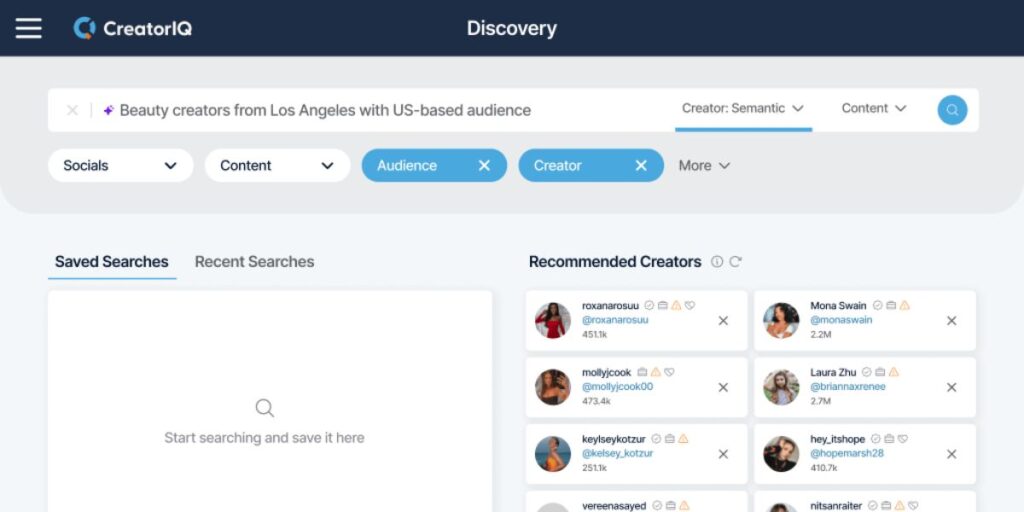
The difference between AI-powered influencer tools and AI-generated virtual influencers is crucial to understand. Tools like HypeAuditor and CreatorIQ use AI to analyze human influencers’ authenticity and audience quality. Meanwhile, virtual personalities like Lil Miquela and Lu do Magalu are entirely computer-generated characters with their own social media presence, backstories, and brand partnerships.
How AI Is Changing Influencer Marketing Today

1. Smarter Influencer Discovery & Vetting
Traditional influencer discovery often relied on follower counts and basic engagement rates. AI has revolutionized this process by detecting fake followers, analyzing audience sentiment, and identifying genuine influence within specific niches.
Tools like HypeAuditor use machine learning to evaluate authenticity scores, flagging suspicious activity patterns that might indicate bot followers or purchased engagement. Recent success stories demonstrate this precision: Moris Media’s Singapore-based AI platform reported a 92% engagement lift for creators under 25,000 followers in enterprise brand campaigns, with 3x repeat bookings within 45 days.
2. Content Optimization & Trend Forecasting
AI in marketing campaigns excels at identifying trending formats, optimal posting times, and audience preferences in real-time. SuperAGI’s 2025 multi-channel campaign showcased this capability, leveraging AI for influencer discovery, dynamic content optimization, and performance analytics across Instagram, blogs, and video content, yielding a 3x ROI compared to traditional workflows.
This capability extends to hashtag optimization, where AI tools can identify emerging hashtags before they become oversaturated, giving brands an early-mover advantage in trending conversations.
3. Campaign Management & Automation
Modern AI platforms streamline everything from contract management to ROI tracking. Automated systems can monitor campaign performance across multiple influencers simultaneously, alerting brand managers to underperforming content or budget allocation opportunities in real-time.
The efficiency gains are substantial: brands report reducing campaign management overhead by up to 30% while improving targeting precision and response times. COSMEDIX Beauty’s 2025 campaign exemplifies this approach, using AI-driven recruitment and content reporting tools via Later to achieve 527% ROI with 3 million impressions and 34,000 engagements, earning them a Shorty Award for best use in beauty.
Virtual & AI-Powered Influencers

The rise of AI influencers represents perhaps the most visible transformation in this space. Virtual personalities like Lil Miquela (2.4 million Instagram followers), Shudu Gram (the world’s first digital supermodel), and Lu do Magalu (7.8 million followers) demonstrate that audiences are increasingly comfortable engaging with non-human personalities.
Lu do Magalu’s performance metrics particularly stand out: with over 55 million followers, B2C engagement rates are 2x that of human influencers in Q4 2024. These digital creators offer unique advantages: they’re available 24/7, can speak multiple languages, adapt to different cultural contexts, and maintain perfect brand alignment without the risk of off-message content or personal scandals.
The success of virtual influencers isn’t limited to novelty. According to HypeAuditor research, virtual influencers achieve engagement rates 3% higher than their human counterparts, largely due to their ability to deliver hyper-personalized interactions at scale.
Case studies from major brands illustrate the potential: Prada and Samsung have successfully integrated virtual influencers into global campaigns, while fashion retailer Bershka regularly generates tens of thousands of likes on AI influencer content, maintaining complete control over brand messaging throughout.
Industry-Specific AI Influencer Marketing Strategies

1. Beauty Industry: Authenticity Through AI
The beauty sector has embraced AI influencer marketing with particular success, focusing on authenticity verification and user-generated content amplification. COSMEDIX’s award-winning campaign demonstrates how AI-driven fraud detection and nano-influencer recruitment can deliver exceptional ROI while maintaining authentic peer reviews.
Best AI marketing tools for beauty focus on disclosure compliance and audience authenticity, as platform policies increasingly scrutinize sponsored content. The emphasis on nano-influencers (under 25k followers) has proven particularly effective, with studies showing 11x higher ROI versus traditional advertising approaches.
2. Technology Sector: Virtual Product Demonstrations
Tech brands leverage AI influencers for product launch hype and synthetic product demonstrations. Virtual personalities can showcase features that would be difficult or expensive to demonstrate with human influencers, including AR try-ons, software interfaces, and complex technical processes.
The ability to create consistent, technically accurate product demonstrations across multiple languages and cultural contexts makes virtual influencers particularly valuable for global tech launches.
3. Fashion: Rapid Asset Scaling
Fashion brands utilize AI for fast campaign asset scaling and audience persona mapping. Zalora’s Community Influencer Program in Southeast Asia exemplifies this approach, combining AI-powered audience matching with nano-influencer activation to boost in-app conversions by 30% year-over-year.
Virtual fashion shows and AR integration represent emerging applications, allowing brands to showcase collections in ways impossible with traditional photography or human models.
4. Food & Beverage: Local Influence Optimization
F&B brands emphasize nano and local influence through AI tools for SEO and location-based optimization. AI enables quick-turn promotions, optimizes campaign timing based on local dining patterns, and creates voice-activated content for food delivery platforms.
The focus on hyper-local influence allows restaurants and food brands to compete effectively against larger competitors through precise geographic and demographic targeting.
Comprehensive AI Tool Comparison for Influencer Marketing
1. Enterprise-Level Platforms
CreatorIQ leads the enterprise segment at $35,000+ annually, offering comprehensive CRM capabilities, deep analytics, and custom contract management. Best suited for global campaigns requiring sophisticated reporting and multi-brand management.
Captiv8 follows at $25,000+ annually, specializing in competitive intelligence and robust reporting with enterprise focus. The steep learning curve limits accessibility but provides powerful features for large-scale operations.
2. Mid-Market Solutions
IMAI dominates the mid-market at $959+ monthly, featuring 400M+ creator profiles, advanced fraud detection, and robust API integration. Can become expensive but offers excellent scalability for growing brands.
Upfluence provides strong e-commerce integration at $795+ monthly, with flexible connectors and superior user experience. Particularly effective for direct-to-consumer brands requiring seamless sales attribution.
3. Entry-Level Options
Influencity offers accessible entry at $168+ monthly for basic database access, reporting, and collaboration tools. Ideal for small to medium brands beginning their AI influencer journey.
HypeAuditor starts around $300 monthly, excelling in fraud detection and authenticity scoring. Perfect for mid-market brands prioritizing influencer vetting over comprehensive campaign management.
4. Specialized Analytics
BetterStudio provides real-time ROI calculation and campaign dashboard integration with strong attribution capabilities. Essential for brands requiring immediate performance visibility.
Tagger (or Sprout Social Media Marketing) offers AI-powered predictive analytics with custom pricing, known for sophisticated reporting and trend forecasting capabilities.
Investment Requirements and Cost Analysis

1. Platform Subscription Costs
Entry-level AI marketing tools range from $168 monthly (Influencity basic) to $959+ monthly (IMAI comprehensive). Enterprise solutions require $25,000-$35,000+ annually but provide extensive features and support.
2. Virtual Influencer Development
Custom AI influencer creation ranges from $10,000 to $100,000+ depending on sophistication and longevity requirements. Ongoing maintenance, content creation, and platform syndication add recurring monthly costs.
3. Campaign Management Budgets
Mid-to-large brands in Singapore and Southeast Asia typically allocate $7,500-$30,000 monthly for managed AI influencer marketing campaigns. This includes platform fees, content production, talent coordination, and performance analytics.
Additional expenses include agency setup and support, advanced analytics reporting, paid promotional boosts, and compliance management across multiple platforms.
Platform Policies and Regulatory Landscape

1. Current Platform Requirements
Instagram and YouTube now mandate clear labeling of paid, synthetic, and AI-generated content. Untagged sponsored AI influencer posts face shadowbans or account restrictions. New disclosure tags support “#AIinfluencer” and “Paid Partnership” overlays to ensure transparency.
TikTok requires watermarking and declaration of AI-generated content, with anti-deepfake enforcement implemented since late 2024. Brands must clearly identify virtual personalities to maintain platform compliance.
2. Singapore Regulatory Environment
Singapore currently lacks specific AI influencer legislation but applies existing frameworks including the Personal Data Protection Act (PDPA) and mandatory sponsored content disclosure requirements. The Model AI Governance Framework provides guidance for responsible AI implementation.
Regional discussions through APEC and ASEAN are developing harmonized guidelines for virtual influencer disclosure and data privacy protection across Southeast Asian markets.
Proven Success Metrics and KPIs
Success in AI influencer marketing requires moving beyond vanity metrics toward meaningful engagement indicators:
- Engagement Quality focuses on comments versus likes ratios, measuring the depth of audience interaction rather than simple reaction counts. AI influencers that generate thoughtful comments and conversation demonstrate stronger audience connection than those receiving passive likes.
- Sentiment Analysis becomes crucial when working with virtual personalities. AI tools can analyze comment sentiment in real-time, alerting brands to negative reactions or misaligned messaging before issues escalate.
- Conversion Tracking from social media clicks to actual purchases provides the clearest ROI measurement. According to recent research, AI-powered campaigns achieve conversion rates of 3.2% compared to 2.1% for manual campaigns in the fashion sector.
- ROI Benchmarks for AI-driven campaigns show the average return of $5.78 for every $1 spent on influencer marketing, with successful implementations like COSMEDIX achieving 527% ROI through strategic AI integration.
The Future of Hybrid Influencer Marketing
The most successful AI influencer marketing strategies combine human authenticity with AI efficiency. Rather than replacing human influencers entirely, forward-thinking brands are creating hybrid campaigns that leverage both approaches strategically.
Human influencers excel at storytelling, emotional connection, and cultural authenticity. AI influencers provide consistency, scalability, and precise brand control. Together, they can create campaigns that feel both genuine and professionally managed.
According to industry research, 73% of marketers believe influencer marketing will become mostly automated by AI, yet declining optimism (from 77%) indicates the continued need for human authenticity and creative oversight.
Practical Implementation Framework

1. Foundation Building (Months 1-2)
Start with established AI-powered influencer discovery platforms like HypeAuditor ($300+/month) or Influencity ($168+/month). Focus on understanding authenticity scoring, audience analysis, and performance prediction before advancing to more complex implementations.
2. Content Enhancement (Months 2-4)
Integrate AI tools for SEO and content optimization while maintaining human creative control. Test AI-generated supplementary content like hashtags, captions, and visual enhancements alongside existing influencer partnerships.
3. Virtual Influencer Testing (Months 4-6)
Launch limited virtual influencer experiments with clear disclosure and performance tracking. Start with simple campaigns focused on specific products or events rather than comprehensive brand representation.
4. Hybrid Strategy Development (Months 6+)
Develop integrated campaigns combining human storytelling with AI precision and virtual personality consistency. Use performance data to optimize the balance between artificial and human influence based on audience response and campaign objectives.
Conclusion
AI influencer marketing has evolved from experimental novelty to essential competitive advantage. The technology delivers measurable improvements in targeting precision, cost efficiency, and campaign consistency while addressing traditional influencer marketing challenges.
Success requires balancing AI capabilities with human authenticity, understanding platform policies and disclosure requirements, and choosing appropriate tools for specific campaign objectives. Early adopters like COSMEDIX, Zalora, and Moris Media demonstrate that properly implemented AI influencer marketing can deliver exceptional ROI while building genuine audience connections.
The Singapore market’s rapid adoption, with AI-powered campaigns representing over 40% of agency work, signals broader regional and global trends. Brands that embrace this hybrid approach now will establish competitive advantages as AI technology continues advancing and consumer comfort with virtual personalities grows.
Interested in exploring AI influencer marketing? Katartizo is a digital marketing in Singapore agency that helps Singapore businesses navigate new marketing technologies as part of their broader digital strategy. Whether you want to test AI tools, explore virtual influencers, or develop hybrid approaches, we provide practical guidance to help you evaluate and implement these emerging opportunities effectively.