![You are currently viewing E-commerce Conversion Rates in 2025: What’s Good? [+ Tips]](https://kat-artizo.com/wp-content/uploads/2025/07/Ecommerce-Conversion-Rates-in-2025-1200-x-600px.jpg)
Is my e-commerce conversion rate normal? Should it be higher? These questions keep e-commerce business owners and digital marketers awake at night, and for good reason. Your conversion rate for e-commerce sites directly reflects how well your website transforms casual browsers into paying customers, making it one of the most critical metrics for online business success.
Even a modest improvement in your e-commerce conversion can dramatically impact your bottom line. A store generating $100,000 monthly with a 2% conversion rate could potentially earn an additional $50,000 per month by improving to 3%, that’s the power of conversion optimization.
This comprehensive guide will walk you through everything you need to know about e-commerce conversion rates: industry benchmarks that matter, key factors influencing your performance, proven strategies for improvement, and answers to the most common questions business owners ask about conversion optimization.
Table of Contents
What Is E-commerce Conversion Rate?

An e-commerce conversion rate measures the percentage of website visitors who complete a desired action during their visit. While conversions can include various actions like email signups, account registrations, or product reviews, in e-commerce contexts, conversion typically refers to completed purchases.
The standard formula is straightforward: (Conversions ÷ Sessions) × 100
For example, if your store receives 1,000 sessions in a month and generates 25 orders, your e-commerce conversion rate would be 2.5%.
It’s important to note that most analytics platforms calculate conversion rates using sessions (individual visits) rather than unique users. This means if someone visits your site multiple times before purchasing, each visit counts separately in the calculation.
Why Is It Important?
Your e-commerce conversion rate serves as a vital health indicator for your online business. It helps assess the effectiveness of your marketing campaigns, website design, product positioning, and overall customer experience. A higher conversion rate typically translates to better return on advertising spend (ROAS), improved profitability, and more efficient customer acquisition costs.
Beyond the financial implications, conversion rate data reveals valuable insights about customer behavior, helping you identify friction points in the buying journey and opportunities for optimization.
What Is a Good Ecommerce Conversion Rate in 2025?

One of the most frequently asked questions is whether specific conversion rates are considered good or concerning. According to the latest research, the average e-commerce conversion rate is 3.65%, while other comprehensive analysis shows the global average around 2.5% to 3%, providing a solid baseline for comparison.
Here’s how performance levels typically break down:
- Top 10% performers: 4.7% and above
- Above average: 3.2% to 4.6%
- Average range: 2.5% to 3.1%
- Below average: Under 2.5%
- Needs immediate attention: Below 1%
However, these benchmarks should be viewed within context. A 0.5% conversion rate might be perfectly acceptable for a luxury jewelry store selling $10,000 pieces, while it could signal serious problems for a fast-fashion retailer. Similarly, a 20% conversion rate, while impressive, might indicate issues with traffic quality or tracking accuracy that need investigation.
The key is understanding that multiple factors influence what constitutes a “good” conversion rate for your specific business, including product pricing, industry norms, traffic sources, and customer buying behavior.
E-commerce Conversion Rate Benchmarks

1. E-commerce Conversion Rate Benchmarks by Industry
Industry-specific benchmarks provide more relevant comparison points than broad averages. According to Adobe Business research, here are the latest conversion rate for e-commerce sites by sector:
Food & Beverage leads at 4.6%, benefiting from lower price points and frequent repeat purchases. Health & Beauty follows at 3.3%, driven by strong brand loyalty and subscription models. Fashion and Apparel averages 2.7%, while Electronics sits at 1.9%, reflecting the higher consideration time required for tech purchases.
While MobiLoud’s industry analysis shows additional categories with Arts & Crafts performing well at higher conversion rates, while sectors like automotive and high-ticket items typically see lower rates due to longer consideration periods.
2. E-commerce Conversion Rate Benchmarks by Device
Device performance reveals significant optimization opportunities. According to Adobe’s research, desktop and tablet users convert at approximately 3%, while mobile users convert at around 2%. This gap primarily stems from mobile user experience challenges, including smaller screens, slower loading times, and more complex checkout processes.
The mobile conversion gap represents a massive opportunity, especially considering that mobile traffic often accounts for 60-70% of total e-commerce visits. Businesses that successfully optimize their mobile experience can capture substantial additional revenue from their existing traffic.
3. E-commerce Conversion Rate Benchmarks by Traffic Source
Different traffic sources bring visitors with varying levels of purchase intent, directly impacting conversion rates. Based on MobiLoud’s comprehensive traffic source analysis:
Referral traffic converts highest at 5.4%, as these visitors typically arrive through trusted recommendations or partner sites. Organic search follows at around 3%, bringing users actively seeking solutions. Email marketing typically achieves 2%, reflecting the warm relationship with subscribers.
Paid advertising often converts at 1.44%, requiring careful campaign optimization to improve performance. Social media typically sits around 1%, as these platforms often serve discovery rather than purchase-ready audiences.
Understanding these benchmarks helps set realistic expectations for different marketing channels and guides budget allocation decisions.
4. E-commerce Conversion Rate Benchmarks by Country
Global e-commerce conversion rates vary significantly due to cultural shopping behaviors, payment preferences, and digital infrastructure differences. According to Adobe’s international research:
The United Kingdom leads at 4.1%, followed by the United States at 2.3%, Germany at 2.2%, and Denmark at 1.8%. Other markets show varying performance levels, with cultural preferences, local payment methods, and mobile adoption rates significantly influencing conversion behaviors.
For businesses targeting Singapore and Southeast Asian markets, local payment methods, mobile optimization, and cultural preferences play particularly crucial roles in conversion performance.
What Affects Your E-commerce Conversion Rate?

1. Traffic Quality and Source
Not all website visitors are created equal. Cold traffic from broad advertising campaigns typically converts at lower rates than warm traffic from email marketing or referrals. Understanding your traffic composition helps explain conversion performance and guides optimization strategies.
Visitors from organic search often demonstrate higher intent, as they actively sought solutions to specific problems. Conversely, social media traffic might be more exploratory, requiring different persuasion strategies to convert effectively.
2. Product Complexity and Pricing
Higher-priced items naturally have lower conversion rates, as customers require more research, comparison, and consideration time. A $5,000 laptop will have a significantly lower conversion rate than a $50 phone case, regardless of marketing effectiveness.
Complex products with multiple variations, technical specifications, or customization options also tend to convert lower, as customers need more information and confidence before purchasing.
3. Site Speed and Checkout UX
Technical performance directly impacts conversion rates. Page load speed affects bounce rates and purchase completion, with every additional second of loading time potentially reducing conversions by 7-10%.
Checkout process friction represents another critical factor. Lengthy forms, unexpected shipping costs, limited payment options, and mandatory account creation all create barriers that prevent conversion completion.
4. Trust Signals
Online shoppers can’t physically examine products before purchasing, making trust signals essential for conversion. Customer reviews, security badges, clear return policies, professional design, and transparent contact information all contribute to purchase confidence.
Social proof through testimonials, user-generated content, and media mentions helps overcome purchase hesitation, particularly for new or lesser-known brands.
Also Read: 10 Proven Ways on How to Increase Your Brand Awareness
How to Improve E-commerce Conversion Rate?

1. Simplify Checkout Process
Streamlining your checkout flow can dramatically improve conversion rates. Enable guest checkout options, reduce form fields to essentials, display shipping costs early, and offer multiple payment methods including digital wallets.
Consider implementing progress indicators to show customers how many steps remain, and use auto-fill technology to minimize typing requirements on mobile devices.
2. Optimize for Mobile
Given that mobile users convert at lower rates despite representing majority traffic, mobile optimization presents enormous opportunities. Implement responsive design, optimize images for fast loading, use large, touch-friendly buttons, and consider mobile-specific payment solutions like Apple Pay or Google Pay.
Simplified navigation and reduced content density help mobile users focus on essential information without overwhelming smaller screens.
3. Add Social Proof & Trust Signals
Customer reviews and ratings remain the most effective trust signals for ecommerce. Display reviews prominently on product pages, showcase user-generated content, and highlight media mentions or industry awards.
Security badges, money-back guarantees, and clear return policies address common purchase concerns, while live chat support provides real-time assistance for hesitant customers.
4. Use A/B Testing
Systematic testing reveals what resonates with your specific audience. Test headlines, product images, call-to-action buttons, page layouts, and pricing presentations to identify high-impact improvements.
Focus on testing one element at a time to clearly identify which changes drive results, and ensure statistical significance before implementing permanent changes.
Also Read: Finding Your Target Audience: 6 Strategies for Business Success!
5. Personalize the Experience
Dynamic product recommendations, personalized landing pages, and targeted messaging based on browsing behavior can significantly improve relevance and conversion rates.
Email retargeting campaigns for cart abandoners and personalized discount offers help re-engage visitors who didn’t convert initially.
Also Read: Level Up Your Email Marketing: 10 Easy Tips & Strategies
How to Track and Analyze Your Conversion Rate
1. Essential Tools
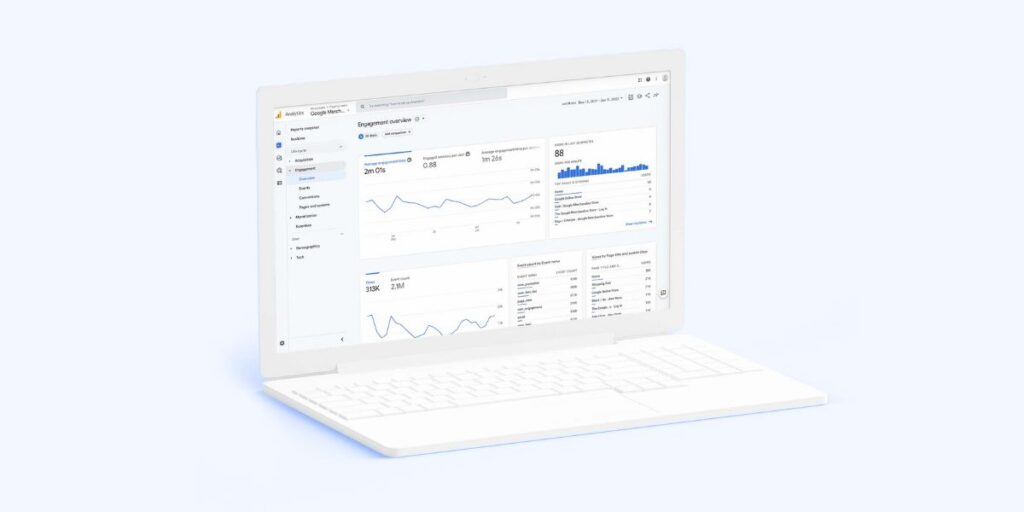
Google Analytics 4 provides comprehensive ecommerce conversion tracking and audience insights. Shopify Analytics offers platform-specific metrics for Shopify stores. Hotjar reveals user behavior through heatmaps and session recordings, while Triple Whale provides advanced attribution for multi-channel campaigns.
Choose tools that align with your budget and technical requirements, ensuring proper implementation for accurate data collection.
2. Tracking by Segment
Segment your conversion rate analysis by device, traffic source, campaign, and customer demographics to identify specific optimization opportunities. Track performance weekly for immediate issue detection, monthly for optimization planning, and quarterly for strategic decisions.
Campaign-specific analysis after major promotions or product launches provides valuable insights for future marketing efforts.
3. Setting KPIs and Monitoring
Establish realistic improvement targets based on current performance and industry benchmarks. Monitor trends rather than absolute numbers to avoid overreacting to normal fluctuations.
Set up automated alerts for significant conversion rate changes that might indicate technical issues or campaign problems requiring immediate attention.
Final Thoughts: What to Do If Your Conversion Rate Is “Too Low”
Remember that industry averages serve as guides, not rigid rules. A “low” conversion rate might be perfectly acceptable given your specific circumstances, high-ticket pricing, luxury positioning, or early-stage brand awareness.
Focus on incremental improvements rather than dramatic overhauls. Small, consistent optimizations often deliver better long-term results than major redesigns that disrupt established customer behaviors.
Encourage continuous experimentation through regular A/B testing, customer feedback collection, and performance monitoring. Conversion optimization is an ongoing process, not a one-time project.
For growing ecommerce businesses looking to balance conversion optimization with broader digital marketing strategies, partnering with a digital marketing agency in Singapore who understand both SEO and social advertising can accelerate results while maintaining cost efficiency. The most successful ecommerce businesses treat conversion rate optimization as a continuous journey rather than a destination, consistently testing, learning, and improving their customer experience to drive sustainable growth.