The digital marketing landscape has been completely transformed by TikTok, and brands that ignore this platform do so at their own peril. What started as a lip-syncing app has evolved into one of the most powerful marketing channels available today, with ad spend on the platform growing exponentially year over year.
In Singapore alone, TikTok has captured 72.4% of all adults aged 18 and above, making it impossible for marketing decision-makers to overlook. Users in the region spend an average of 34 hours and 29 minutes on the app monthly, more time than any other social media platform.
Having a solid TikTok marketing strategy isn’t just nice to have anymore—it’s essential for brands that want to stay competitive, reach younger audiences, and drive real business results in 2025.
Table of Contents
What Is TikTok Marketing and Why It Matters in 2025

TikTok marketing is the practice of promoting your brand, products, or services through TikTok’s unique short-form video format. Unlike other platforms where polished, high-production content reigns supreme, TikTok rewards authenticity, creativity, and entertainment value above all else.
What sets TikTok apart is its algorithm-driven discovery system. While Instagram and Facebook prioritize showing you content from accounts you already follow, TikTok’s “For You Page” (or FYP) uses sophisticated AI to surface content based on user behavior, interests, and engagement patterns. This means even brand-new accounts with zero followers can go viral overnight if their content resonates.
In 2025, TikTok continues to roll out new features that make it even more valuable for marketers. The platform now offers advanced AI-powered creative tools, expanded live shopping capabilities, and more sophisticated targeting options for paid advertising. TikTok Shop has also gained significant traction in Southeast Asia, turning the app from a discovery platform into a full-fledged commerce channel.
Also Read: AI in Marketing Campaigns: Transform Your Strategy in 2025
Setting the Foundation: Creating and Optimizing Your TikTok Business Account
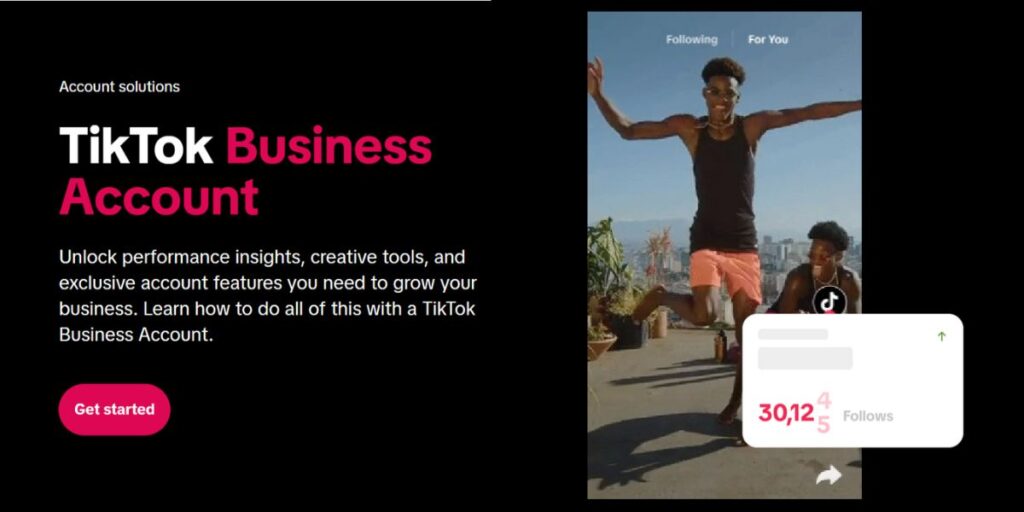
Before diving into content creation, you need to set up your TikTok presence properly. While anyone can create a personal TikTok account, a Business account unlocks crucial features that personal and Creator accounts don’t have access to.
1. Business vs Creator Account: Key Benefits
A TikTok Business account gives you:
- Access to TikTok Ads Manager and paid advertising tools
- Advanced analytics and performance insights
- The ability to add a website link to your profile (once you hit 1,000 followers)
- Commercial music library (though slightly more limited than personal accounts)
- Integration with third-party scheduling and management tools
- E-commerce features including TikTok Shop integration
2. Step-by-Step Setup
Setting up your business account takes just a few minutes:
- Download the TikTok app and create an account using your business email
- Go to your profile and tap the three-line menu icon in the top right
- Navigate to “Settings and Privacy” > “Account” > “Switch to Business Account”
- Select your business category (choose the one most relevant to your industry)
- Complete your profile with your logo, business name, bio, and contact information
3. Optimization Tips for Singapore Brands
Once your account is created, optimize it for maximum impact. Use a high-quality version of your logo as your profile picture. Craft a compelling bio that clearly communicates what your business does—you have just 80 characters, so make them count.
Singapore brands should consider adding location-specific keywords or mentions in their bio if they primarily serve local customers. Pin your best-performing videos or key product showcases to the top of your profile. These pinned videos are the first thing potential customers see, so choose content that represents your brand well and drives the action you want viewers to take.
Popular categories among Singaporean users include food and beverage, beauty and skincare, finance and investing, and lifestyle content. Understanding what resonates locally can help you position your brand more effectively.
Understanding Your TikTok Audience

Successful marketing on any platform starts with knowing your audience, and TikTok is no exception. While TikTok is often stereotyped as a “Gen Z app,” the reality is more nuanced.
1. Demographics: Global and Singapore Context
Globally, TikTok’s user base spans all age groups, though it does skew younger. The platform sees strong engagement from both Gen Z and Millennials, with the 25-34 age group representing the most dominant demographic in many markets.
In Singapore specifically, TikTok has 3.63 million users aged 18 and above, with near-equal gender distribution (49.7% female, 50.3% male). The platform saw 7.4% growth from 2024 to 2025, adding 251,000 new users in the region.
2. Using TikTok Analytics and Social Listening
TikTok’s built-in analytics dashboard (available for Business accounts) provides valuable insights into your followers’ demographics, active hours, and content preferences. Pay attention to metrics like:
- Video views and watch time
- Engagement rate (likes, comments, shares)
- Follower growth trends
- Traffic source (For You Page vs. Following feed vs. Profile visits)
Beyond TikTok’s native analytics, consider implementing social listening tools to track brand mentions, competitor activity, and trending conversations in your industry. This helps you stay ahead of trends and understand what your audience cares about.
Crafting Your TikTok Content Strategy

Creating content that performs well on TikTok requires a different mindset than other platforms. Polished, corporate content rarely succeeds here. Instead, TikTok rewards brands that show personality, embrace trends, and create content that feels native to the platform.
1. Define Your Brand Voice and Tone
Start by establishing how your brand will show up on TikTok. Will you be humorous and irreverent? Educational and informative? Inspirational and aspirational? Your tone should align with your overall brand identity while adapting to TikTok’s more casual, authentic vibe.
Don’t be afraid to show the human side of your business. Behind-the-scenes content, employee spotlights, and “day in the life” videos often perform exceptionally well because they feel genuine and relatable.
2. Content Types That Perform Well
Successful TikTok content generally falls into several categories:
- Entertainment: Funny, surprising, or emotionally resonant content that makes people feel something. This could be comedy sketches, satisfying visuals, or heartwarming stories.
- Education: Quick tips, how-tos, life hacks, or interesting facts presented in an engaging way. The key is to deliver value quickly and clearly.
- Behind-the-Scenes: Show your production process, team culture, or what goes into creating your products. People love seeing what happens “behind the curtain.”
- Challenges and Trends: Participating in viral challenges or putting your own spin on trending formats. This helps you tap into existing momentum and reach new audiences.
- User-Generated Content: Featuring content created by your customers builds social proof and community. It also provides you with authentic material you can share.
3. Content Calendar and Consistency
Consistency matters on TikTok. The platform rewards accounts that post regularly, and frequent posting increases your chances of creating viral content. Aim to post at least 3-5 times per week, though daily posting is ideal if you can maintain quality.
Create a content calendar that maps out your themes, posting schedule, and key campaign dates. This helps ensure you’re covering diverse content pillars and not becoming one-dimensional. Your pillars might include product education, customer stories, industry insights, and entertainment.
4. Leveraging TikTok Trends and Hashtags
Trends move fast on TikTok—what’s viral today might be stale tomorrow. Stay on top of trends by regularly browsing your For You Page, checking the Discover tab, and following trend-tracking accounts.
When you spot a relevant trend, act quickly. Adapt it to fit your brand rather than forcing an awkward connection. Use trending sounds and audio clips (giving proper credit when required) to increase your content’s discoverability.
Hashtags on TikTok work differently than on Instagram. Rather than stuffing your caption with dozens of tags, use 3-5 highly relevant hashtags that describe your content and target audience. Mix trending hashtags with niche-specific ones to balance reach and relevance.
Boosting Reach: Paid Advertising on TikTok
How to market on TikTok effectively requires understanding both organic and paid strategies. TikTok’s advertising platform has matured significantly, offering tools that rival Facebook and Google in sophistication while maintaining TikTok’s unique creative approach.
1. Types of TikTok Ads
TikTok offers several ad formats, each suited to different marketing objectives:
- In-Feed Ads: These appear in users’ For You feeds just like organic content. They can be up to 60 seconds long (though shorter is usually better) and support multiple call-to-action buttons. In-Feed ads feel native to the platform and allow for comments and engagement.
- TopView Ads: These are premium placements that appear when users first open the app. TopView ads get 100% share of voice for the first few seconds of a user’s session, making them impossible to miss. They’re ideal for major product launches or brand awareness campaigns.
- Branded Hashtag Challenges: These sponsored challenges encourage users to create content around your brand’s theme or hashtag. When executed well, they can generate massive user participation and create authentic brand content at scale. The Singapore Tourism Board’s #MadeInSingapore campaign generated 95 million views across Southeast Asia using this format.
- Spark Ads: These allow you to promote existing organic content (either your own or user-generated content with permission) as ads. Spark Ads maintain all the original engagement metrics and feel more authentic than traditional ads.
- Branded Effects: Custom filters, stickers, and AR effects that users can apply to their own videos. This turns users into brand ambassadors as they create content featuring your branded elements.
2. Targeting Capabilities
TikTok’s targeting options let you reach specific audiences based on:
- Demographics (age, gender, location, language)
- Interests and behaviors
- Device type and operating system
- Custom audiences (upload your customer lists)
- Lookalike audiences based on your best customers
For Singapore and SEA brands, geographic targeting is particularly valuable. You can target by country, region, or even specific cities to ensure your ad spend reaches the right markets.
Also Read: Finding Your Target Audience: 6 Strategies for Business Success!
3. Budgeting Tips
TikTok advertising requires a minimum daily budget of $50 per campaign and $20 per ad group. For Southeast Asian markets, CPM rates typically range from $2-$10, significantly lower than Western markets. Singapore-specific campaigns tend to fall in the $8-$16.50 CPM range, with CPC averaging $1.30-$2.10.
Also Read: How to Allocate Budget for Digital Marketing: 70/20/10 Framework
4. How Much Is 1000 Views on TikTok Ads?
The cost per 1,000 views (CPM) on TikTok varies based on several factors including your target audience, ad placement, competition, and seasonality. Based on current 2025 data, the global average CPM ranges from $2.62 to $6.21.
For brands advertising in Singapore and Southeast Asia, expect CPM rates on the lower end of the spectrum compared to Western markets. During peak shopping seasons like 11.11 or 12.12, CPMs can increase by 50% or more due to increased competition.
5. Tips for Maximizing ROI
Start with a test budget to identify which ad formats and creative approaches work best for your brand. Use TikTok’s Creative Center to research trending content and get inspiration for your ads. Test multiple variations of your creative—different hooks, CTAs, and video lengths—to optimize performance.
Most importantly, let your ads run long enough to gather meaningful data. TikTok’s algorithm needs time to optimize delivery, so avoid making drastic changes in the first few days of a campaign.
Collaborating with Influencers on TikTok

Influencer marketing is arguably more powerful on TikTok than on any other platform. The authenticity and trust that creators have built with their audiences translates directly into influence over purchasing decisions.
1. Why Influencer Marketing Works on TikTok
TikTok creators don’t just have followers—they have communities. The platform’s comment culture and intimate, casual content style creates stronger parasocial relationships than polished Instagram content ever could. When a TikTok creator recommends a product, their audience listens.
Research shows that influencer marketing is considered effective by the vast majority of marketers, with some campaigns delivering exceptional ROI at relatively low costs.
2. Micro vs Macro Influencers
Micro-influencers (typically 10K-100K followers) often deliver better engagement rates and more authentic connections with their audiences. They’re also more affordable and easier to work with than mega-influencers. For many brands, especially those with limited budgets, partnering with multiple micro-influencers provides better results than a single celebrity partnership.
Macro-influencers and celebrities (100K+ followers) offer massive reach and can create significant buzz around product launches or major campaigns. However, they come with higher costs and may have lower engagement rates.
Also Read: AI Influencer Marketing: Complete Strategy & Tools Guide
3. Examples of Effective Campaigns
Singapore electronics brand PRISM+ saw impressive results through TikTok influencer partnerships and branded content. During the 12.12 Sale in 2022, the brand achieved a 58.6% sales increase on TikTok Shop, generating over $2 million in Q4 revenue from TikTok alone. Their strategy focused on entertaining live streams and bite-sized informative videos targeting tech-savvy Gen Z audiences.
Another successful regional example comes from McDonald’s Thailand, which ran a soft-serve ice cream challenge that generated 9+ million video views and drove a 130% increase in soft-serve sales.
4. How to Select Influencers Strategically
When evaluating potential influencer partners, look beyond follower count. Examine their engagement rates, comment quality, audience demographics, and content style. Do their values align with your brand? Does their audience match your target customer profile?
Request detailed analytics before committing to partnerships. Review their past branded content to see how they integrate sponsors naturally. The best influencer relationships feel like genuine recommendations rather than paid promotions.
For brands in Singapore and SEA, consider working with a specialized agency that can help identify and vet appropriate creators, manage contracts, and track campaign performance. This becomes especially valuable when running multi-market campaigns across the region.
Measuring Success: TikTok Analytics and KPIs

You can’t improve what you don’t measure. Tracking the right metrics is essential for understanding whether your TikTok marketing strategy is working and where you need to adjust.
1. Key Metrics to Track
- Video Views: While views are a vanity metric to some extent, they indicate your content’s reach. Track both total views and average views per video to identify trends.
- Engagement Rate: Calculate this by adding likes, comments, and shares, then dividing by total views. Engagement rate tells you how compelling your content is beyond just being seen.
- Follower Growth: Monitor both total followers and growth rate. Sudden spikes or drops can indicate viral content or algorithm changes.
- Average Watch Time: This is one of the most important metrics. If viewers watch your entire video (or most of it), the algorithm interprets this as high-quality content and shows it to more people.
- Click-Through Rate: For videos with links or CTAs, track how many viewers take the desired action.
- Conversions: Ultimately, track how TikTok drives real business results—whether that’s website visits, email signups, purchases, or other conversion goals.
Also Read: Key KPIs for Marketing: What Actually Drives Growth in 2025
2. Using TikTok Analytics Dashboard
TikTok’s Business account analytics dashboard provides three main categories of insights:
- Overview: Shows your total video views, followers, and profile views over selected time periods.
- Content: Breaks down individual video performance, including where views came from (For You Page vs Following feed vs your profile).
- Followers: Displays demographic information about your audience, including top territories, gender split, follower activity patterns, and videos your followers watched.
Pay special attention to the “Follower Activity” data, which shows when your audience is most active on TikTok. This helps you identify the best times to post for maximum visibility.
3. External Tools for Deeper Insights
While TikTok’s native analytics are robust, third-party tools can provide additional context. Social media marketing platforms offer cross-channel analytics, competitor benchmarking, and more sophisticated reporting features.
For Singapore-based agencies and brands, investing in comprehensive analytics tools helps you demonstrate ROI to stakeholders and continuously optimize your approach.
4. How to Optimize Based on Data
Review your analytics at least weekly to identify patterns. Which types of content consistently outperform others? What posting times generate the most engagement? Are certain hashtags or sounds driving more reach?
Use these insights to refine your content strategy. Double down on what works while experimenting with new approaches. A/B test different video hooks, lengths, and formats to continuously improve performance.
TikTok Marketing Best Practices in 2025

Certain principles consistently lead to success on TikTok. Follow these best practices to maximize your results:
1. Keep Videos Short and Authentic
While TikTok allows videos up to 10 minutes long, shorter is almost always better. Recent data suggests optimal video length for businesses is 21-34 seconds. Get to the point quickly and maintain viewer interest throughout.
Authenticity trumps production value every time. Don’t overthink your content or try to make everything perfect. Raw, genuine content often outperforms heavily edited material.
2. Use TikTok’s Native Editing Tools
Content created within the TikTok app typically performs better than content uploaded from external editing software. TikTok’s algorithm seems to favor native content, and the app’s editing features are specifically designed for what works on the platform.
Experiment with TikTok’s filters, effects, text overlays, and stickers. These tools help your content feel native to the platform while adding visual interest.
3. Post Frequently and Consistently
Consistency builds audience expectations and improves your chances of creating viral content. The more quality content you publish, the more opportunities you have to appear on For You Pages and attract new followers.
Create a sustainable posting schedule you can maintain long-term. It’s better to post three times per week consistently than to post daily for two weeks and then disappear.
4. Engage with Comments and Trends in Real-Time
TikTok is a social platform—emphasis on “social.” Respond to comments on your videos, especially in the first few hours after posting. High comment activity signals to the algorithm that your content is sparking conversation, which can boost distribution.
When trends emerge, move quickly. TikTok trends have shorter lifespans than trends on other platforms, so agility matters.
5. Experiment with Live Streaming and New Features
TikTok Live offers a unique way to connect with your audience in real-time. Live streams can drive sales through TikTok Shop, answer customer questions, showcase new products, or simply build community.
Stay informed about new TikTok features as they roll out. Early adopters of new features often see preferential algorithmic treatment as TikTok promotes these capabilities to users.
Singapore & SEA TikTok Marketing Trends to Watch

Understanding regional nuances can give Singapore and Southeast Asian brands a significant competitive advantage.
1. Local User Behavior and Popular Niches
Food and beverage content performs exceptionally well in Singapore and SEA markets. Recipe videos, restaurant reviews, food challenges, and “mukbang” content consistently generate high engagement.
Beauty and skincare is another dominant category, with detailed product reviews, skincare routines, and makeup tutorials attracting massive audiences. Financial literacy and investing content has also gained traction, particularly among younger professionals looking to build wealth.
Lifestyle content showcasing Singapore’s unique culture, hawker centers, neighborhoods, and experiences resonates both locally and internationally, attracting tourists and diaspora audiences.
2. SEA-Specific Ad Trends and Regulations
TikTok advertising in Southeast Asia remains relatively affordable compared to Western markets, creating opportunities for brands with modest budgets to see strong returns. Regional campaigns that span multiple SEA countries can be particularly cost-effective.
However, different countries in the region have varying regulations around advertising content, data privacy, and e-commerce. Stay informed about local requirements to ensure compliance.
3. Why Localization Matters for Performance
Content that reflects local culture, language nuances, and current events performs better than generic international content. Use Singlish phrases naturally, reference local landmarks or experiences, and feature diverse faces that represent Singapore’s multicultural society.
Even simple localization efforts—like showcasing products in SGD rather than USD, or timing posts to Singapore peak hours—can meaningfully improve performance.
When to Partner with a Digital Marketing Agency

Not every business has the in-house expertise, time, or resources to execute a successful TikTok marketing strategy. Here’s when it makes sense to bring in professional help:
1. Benefits of Working with Experts
A dedicated digital marketing agency brings specialized knowledge across strategy, creative production, and paid media optimization. They stay current on algorithm changes, trending formats, and best practices so you don’t have to.
Agencies also have established relationships with creators and influencers, making influencer partnerships smoother and often more cost-effective. They can handle everything from negotiating contracts to managing content approvals and tracking campaign performance.
2. Common Pitfalls Businesses Face Going Solo
Many brands struggle with TikTok because they approach it like other social platforms. They create overly polished content, post inconsistently, ignore trends, or fail to engage with their community.
Others invest in ads without proper creative testing or audience research, burning through budget with little to show for it. Some brands also underestimate the time commitment required to maintain an active, successful TikTok presence.
3. How a Singapore-Based Agency Can Help
A Singapore-based digital marketing and creative agency understands the unique challenges and opportunities of the local and regional market. They can develop a comprehensive TikTok marketing strategy tailored to your business goals, create engaging content that resonates with your target audience, manage your paid advertising campaigns for optimal ROI, and identify and coordinate influencer partnerships that drive results.
For brands looking to establish or scale their TikTok presence in Singapore and Southeast Asia, partnering with an experienced local Singapore digital marketing agency can be the difference between mediocre results and market-leading performance. The right agency partner doesn’t just execute tactics—they become an extension of your team, bringing strategic thinking and creative excellence to every aspect of your TikTok marketing efforts.
Key Takeaways
Building a successful TikTok marketing strategy in 2025 requires understanding the platform’s unique culture, creating authentic content that resonates with your audience, and balancing organic efforts with strategic paid advertising.
Remember these essential principles:
- Set up a TikTok Business account to access critical tools and analytics
- Understand your audience deeply through data and social listening
- Create diverse, entertaining content that feels native to the platform
- Post consistently and engage with your community actively
- Leverage both paid advertising and influencer partnerships to amplify reach
- Track performance metrics religiously and optimize based on data
- Stay agile and ready to jump on relevant trends quickly
- Localize your approach when targeting specific markets like Singapore and SEA
TikTok marketing isn’t about perfection—it’s about testing, learning, and adapting. The brands that succeed on TikTok are those willing to experiment, take creative risks, and show the authentic personality behind their business.
Whether you’re just starting your TikTok journey or looking to take your existing presence to the next level, the opportunity has never been greater. With 3.63 million engaged users in Singapore alone and a platform that continues to innovate and grow, TikTok represents one of the most valuable marketing channels available to brands today.
Ready to develop a TikTok marketing strategy that drives real results for your business? The time to start is now, and with the right approach, the impact can be transformative.